Holocaust Expropriated Art Recovery Act of 2025 This bill permanently extends and expands judicial authority under the Holocaust Expropriated Art Recovery Act of 2016. The law allows and establishes procedures for civil claims and causes of action to recover artwork and other property lost between 1933 and 1945 because of Nazi persecution. Among the changes, the bill removes the deadline for filing civil claims or causes of action. Currently, the filing deadline is December 31, 2026. (Claims must still be filed within six years of the claimant's discovery of the property in question.) The bill permits courts to exercise jurisdiction over civil claims or causes of action against a foreign state without regard to the nationality or citizenship of the alleged victim. The art or property at issue must still have a connection to the foreign state's commercial activities in the United States. Additionally, the bill authorizes nationwide service of process, which allows courts to exercise personal jurisdiction over defendants in any judicial district where they may be found, reside, have an agent, or transact business. Finally, the bill limits the defenses that may be asserted against civil claims or causes of action, including by prohibiting defenses based on the passage of time, including equitable defenses such as laches (i.e., unreasonable delays); and discretionary bases for dismissal that are unrelated to the merits of the claim, including international comity (i.e., deference to the laws of other countries). These changes apply to pending and future civil claims or causes of action.
S 1884 - 119Holocaust Expropriated Art Recovery Act of 2025
Became Public Law No: 119-82.
Bill Text Stats
Affected Sectors
How to read this
Sectors are deterministic matches from official Congress.gov data and cached bill text. They are source-derived signals, not conclusions about intent or economic effect.
Evidence matches count official fields, normalized subjects, cached text snippets, or extracted entities that matched the sector rules.
Impact is a bill-level rollup used for sorting and filtering. It is not an economic impact estimate.
Confidence is the strongest individual match score behind that sector.
Evidence snippets show why a sector matched and can repeat when Congress.gov repeats the same phrase across official fields.
CBO Cost Estimates
Official Congressional Budget Office cost estimate links associated with this bill through Congress.gov records.
How to read this
CBO estimates are official source documents with their own assumptions, scope, and publication dates. They can score a bill, a version of a bill, or a broader legislative package.
LawLinter stores the source link from Congress.gov and does not replace the CBO document. Use these cards as pointers for source review, not as independent fiscal advice.
CBO context shows source-attributed Congressional Budget Office cost estimates linked from official Congress.gov bill records. It is research context only; read the official CBO source document for assumptions, scope, and dates.
Campaign Finance Context
Related FEC/OpenFEC campaign-finance records for lawmakers and candidates tied to this bill through source-attributed legislative relationships. These are not donations to the bill itself.
How to read this
Amounts shown here are campaign-finance totals for sponsor or cosponsor-linked candidates and their committees in the displayed FEC cycle.
They are not donations to this bill, spending on this bill, or proof that money influenced or caused sponsorship, cosponsorship, votes, or legislative outcomes.
If multiple linked lawmakers have FEC records, this section can show multiple candidate cards and separate sponsor/cosponsor rollups.
Campaign-finance context uses source-attributed FEC/OpenFEC records that are related or relevant to the displayed bill, lawmaker, candidate, committee, or legislative relationship through deterministic links. It is research context only, not proof of influence, causation, endorsement, or that money caused a sponsorship, vote, or legislative outcome.
Lobbying Context
Related LDA.gov filings where public lobbying activity descriptions reference this bill. These records are source-attributed research context, not evidence of influence or causation.
How to read this
LDA filings are public lobbying disclosure records. LawLinter links them here only when the filing activity text contains an exact-looking reference to this bill.
A filing can mention many issues, clients, agencies, or bills. A match should be treated as a pointer for review, not as a conclusion about why legislation changed or how any lawmaker acted.
Lobbying context uses source-attributed LDA.gov records that appear related to this bill through bill references in public lobbying activity descriptions. It is research context only, not proof of influence, causation, endorsement, lobbying effectiveness, or legislative intent.
Summary
Sponsors
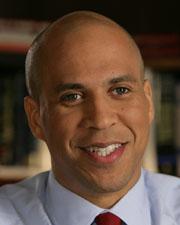
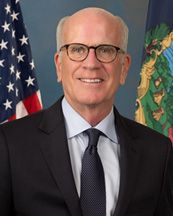
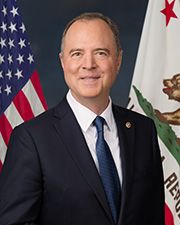
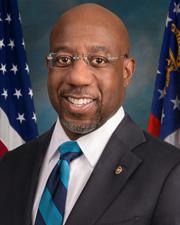
Timeline
Signed by President.
Signed by President.
Became Public Law No: 119-82.
Became Public Law No: 119-82.
Presented to President.
Presented to President.
Ms. Lee (FL) moved to suspend the rules and pass the bill.
Considered under suspension of the rules. (consideration: CR H2497-2500)
DEBATE - The House proceeded with forty minutes of debate on S. 1884.
Passed/agreed to in House: On motion to suspend the rules and pass the bill Agreed to by voice vote. (text: CR H2497)
On motion to suspend the rules and pass the bill Agreed to by voice vote. (text: CR H2497)
Motion to reconsider laid on the table Agreed to without objection.
Message on Senate action sent to the House.
Received in the House.
Held at the desk.
Passed/agreed to in Senate: Passed Senate with amendments by Unanimous Consent.
Passed Senate with amendments by Unanimous Consent. (consideration: CR S8628-8629; text: CR S8629)
Committee on the Judiciary. Reported by Senator Grassley with amendments. Without written report.
Committee on the Judiciary. Reported by Senator Grassley with amendments. Without written report.
Placed on Senate Legislative Calendar under General Orders. Calendar No. 271.
Committee on the Judiciary. Ordered to be reported with amendments favorably.
Introduced in Senate
Read twice and referred to the Committee on the Judiciary.