Indian Community Economic Enhancement Act of 2020 This bill makes several revisions related to economic development for Native American communities. (Sec. 3) Specifically, the bill establishes duties for the Office of Native American Business Development, including (1) advising the Department of Commerce regarding the relationship between the United States and Indian tribes; and (2) serving as the point of contact for tribes, tribal organizations, and members of tribes regarding economic development and doing business in Indian lands. The bill also requires coordination between Commerce, the Department of the Interior, and the Department of the Treasury to support economic development in Native American communities. Under the bill, assistance from the Community Development Financial Institutions Fund benefiting Native American institutions does not require matching funds. The Government Accountability Office must conduct a study that assesses (1) current programs and services that assist Native American communities with business and economic development; (2) assistance provided to Native Americans pursuant to loan, bond, and tax incentive programs; and (3) alternative incentives for tribal governments to invest in a Native American community development investment fund or bank. (Sec. 4) The bill requires the Department of Health and Human Services (HHS) to use Native American labor and purchase Native American industry products, unless Interior or HHS determines it would be impracticable and unreasonable to do so. Among other requirements, HHS and Interior must conduct outreach to Indian industrial entities in the implementation of enterprise development. (Sec. 5) Additionally, the bill authorizes the Administration for Native Americans (ANA) to provide financial assistance to Native American community development financial institutions. ANA must give priority for financial assistance to applicants whose programs seek to develop (1) tribal codes and court systems relating to economic development, (2) tribal business structures, (3) community development financial institutions, or (4) tribal master plans for community and economic development and infrastructure.
S 212 - 116Indian Community Economic Enhancement Act of 2020
Became Public Law No: 116-261.
Bill Text Stats
Affected Sectors
How to read this
Sectors are deterministic matches from official Congress.gov data and cached bill text. They are source-derived signals, not conclusions about intent or economic effect.
Evidence matches count official fields, normalized subjects, cached text snippets, or extracted entities that matched the sector rules.
Impact is a bill-level rollup used for sorting and filtering. It is not an economic impact estimate.
Confidence is the strongest individual match score behind that sector.
Evidence snippets show why a sector matched and can repeat when Congress.gov repeats the same phrase across official fields.
CBO Cost Estimates
Official Congressional Budget Office cost estimate links associated with this bill through Congress.gov records.
How to read this
CBO estimates are official source documents with their own assumptions, scope, and publication dates. They can score a bill, a version of a bill, or a broader legislative package.
LawLinter stores the source link from Congress.gov and does not replace the CBO document. Use these cards as pointers for source review, not as independent fiscal advice.
CBO context shows source-attributed Congressional Budget Office cost estimates linked from official Congress.gov bill records. It is research context only; read the official CBO source document for assumptions, scope, and dates.
Campaign Finance Context
Related FEC/OpenFEC campaign-finance records for lawmakers and candidates tied to this bill through source-attributed legislative relationships. These are not donations to the bill itself.
How to read this
Amounts shown here are campaign-finance totals for sponsor or cosponsor-linked candidates and their committees in the displayed FEC cycle.
They are not donations to this bill, spending on this bill, or proof that money influenced or caused sponsorship, cosponsorship, votes, or legislative outcomes.
If multiple linked lawmakers have FEC records, this section can show multiple candidate cards and separate sponsor/cosponsor rollups.
Campaign-finance context uses source-attributed FEC/OpenFEC records that are related or relevant to the displayed bill, lawmaker, candidate, committee, or legislative relationship through deterministic links. It is research context only, not proof of influence, causation, endorsement, or that money caused a sponsorship, vote, or legislative outcome.
Lobbying Context
Related LDA.gov filings where public lobbying activity descriptions reference this bill. These records are source-attributed research context, not evidence of influence or causation.
How to read this
LDA filings are public lobbying disclosure records. LawLinter links them here only when the filing activity text contains an exact-looking reference to this bill.
A filing can mention many issues, clients, agencies, or bills. A match should be treated as a pointer for review, not as a conclusion about why legislation changed or how any lawmaker acted.
Lobbying context uses source-attributed LDA.gov records that appear related to this bill through bill references in public lobbying activity descriptions. It is research context only, not proof of influence, causation, endorsement, lobbying effectiveness, or legislative intent.
Summary
Indian Community Economic Enhancement Act of 2020 This bill makes several revisions related to economic development for Native American communities. (Sec. 3) Specifically, the bill establishes duties for the Office of Native American Business Development, including (1) advising the Department of Commerce regarding the relationship between the United States and Indian tribes; and (2) serving as the point of contact for tribes, tribal organizations, and members of tribes regarding economic development and doing business in Indian lands. The bill also requires coordination between Commerce, the Department of the Interior, and the Department of the Treasury to support economic development in Native American communities. Under the bill, assistance from the Community Development Financial Institutions Fund benefiting Native American institutions does not require matching funds. The Government Accountability Office must conduct a study that assesses (1) current programs and services that assist Native American communities with business and economic development; (2) assistance provided to Native Americans pursuant to loan, bond, and tax incentive programs; and (3) alternative incentives for tribal governments to invest in a Native American community development investment fund or bank. (Sec. 4) The bill requires the Department of Health and Human Services (HHS) to use Native American labor and purchase Native American industry products, unless Interior or HHS determines it would be impracticable and unreasonable to do so. Among other requirements, HHS and Interior must conduct outreach to Indian industrial entities in the implementation of enterprise development. (Sec. 5) Additionally, the bill authorizes the Administration for Native Americans (ANA) to provide financial assistance to Native American community development financial institutions. ANA must give priority for financial assistance to applicants whose programs seek to develop (1) tribal codes and court systems relating to economic development, (2) tribal business structures, (3) community development financial institutions, or (4) tribal master plans for community and economic development and infrastructure.
Indian Community Economic Enhancement Act of 2019 This bill makes several revisions related to economic development for Native American communities. (Sec. 3) Specifically, the bill establishes duties for the Office of Native American Business Development, including (1) advising the Department of Commerce regarding the relationship between the United States and Indian tribes; and (2) serving as the point of contact for tribes, tribal organizations, and members of tribes regarding economic development and doing business in Indian lands. The bill also requires coordination between Commerce, the Department of the Interior, and the Department of the Treasury to support economic development in Native American communities. Under the bill, assistance from the Community Development Financial Institutions Fund benefiting Native American institutions does not require matching funds. The Government Accountability Office must conduct a study that assesses (1) current programs and services that assist Native American communities with business and economic development; (2) assistance provided to Native Americans pursuant to loan, bond, and tax incentive programs; and (3) alternative incentives for tribal governments to invest in a Native American community development investment fund or bank. (Sec. 4) The bill requires the Department of Health and Human Services (HHS) to use Native American labor and purchase Native American industry products, unless Interior or HHS determines it would be impracticable and unreasonable to do so. Among other requirements, HHS and Interior must conduct outreach to Indian industrial entities in the implementation of enterprise development. (Sec. 5) Additionally, the bill authorizes the Administration for Native Americans (ANA) to provide financial assistance to Native American community development financial institutions. ANA must give priority for financial assistance to applicants whose programs seek to develop (1) tribal codes and court systems relating to economic development, (2) tribal business structures, (3) community development financial institutions, or (4) tribal master plans for community and economic development and infrastructure.
Indian Community Economic Enhancement Act of 2019 This bill makes several revisions related to economic development for Native American communities. (Sec. 3) Specifically, the bill establishes duties for the Office of Native American Business Development, including (1) advising the Department of Commerce regarding the relationship between the United States and Indian tribes; and (2) serving as the point of contact for tribes, tribal organizations, and members of tribes regarding economic development and doing business in Indian lands. The bill also requires coordination between Commerce, the Department of the Interior, and the Department of the Treasury to support economic development in Native American communities. Under the bill, assistance from the Community Development Financial Institutions Fund benefiting Native American institutions does not require matching funds. The Government Accountability Office must conduct a study that assesses (1) current programs and services that assist Native American communities with business and economic development; (2) assistance provided to Native Americans pursuant to loan, bond, and tax incentive programs; and (3) alternative incentives for tribal governments to invest in a Native American community development investment fund or bank. (Sec. 4) The bill requires the Department of Health and Human Services (HHS) to use Native American labor and purchase Native American industry products, unless Interior or HHS determines it would be impracticable and unreasonable to do so. Among other requirements, HHS and Interior must conduct outreach to Indian industrial entities in the implementation of enterprise development. (Sec. 5) Additionally, the bill authorizes the Administration for Native Americans (ANA) to provide financial assistance to Native American community development financial institutions. ANA must give priority for financial assistance to applicants whose programs seek to develop (1) tribal codes and court systems relating to economic development, (2) tribal business structures, (3) community development financial institutions, or (4) tribal master plans for community and economic development and infrastructure.
Indian Community Economic Enhancement Act of 2019 This bill makes several revisions related to economic development for Native American communities. (Sec. 3) Specifically, the bill establishes duties for the Office of Native American Business Development, including (1) advising the Department of Commerce regarding the relationship between the United States and Indian tribes; and (2) serving as the point of contact for tribes, tribal organizations, and members of tribes regarding economic development and doing business in Indian lands. The bill also requires coordination between Commerce, the Department of the Interior, and the Department of the Treasury to support economic development in Native American communities. Under the bill, assistance from the Community Development Financial Institutions Fund benefiting Native American institutions does not require matching funds. The Government Accountability Office must conduct a study that assesses (1) current programs and services that assist Native American communities with business and economic development; (2) assistance provided to Native Americans pursuant to loan, bond, and tax incentive programs; and (3) alternative incentives for tribal governments to invest in a Native American community development investment fund or bank. (Sec. 4) The bill requires the Department of Health and Human Services (HHS) to use Native American labor and purchase Native American industry products, unless Interior or HHS determines it would be impracticable and unreasonable to do so. Among other requirements, HHS and Interior must conduct outreach to Indian industrial entities in the implementation of enterprise development. (Sec. 5) Additionally, the bill authorizes the Administration for Native Americans (ANA) to provide financial assistance to Native American community development financial institutions. ANA must give priority for financial assistance to applicants whose programs seek to develop (1) tribal codes and court systems relating to economic development, (2) tribal business structures, (3) community development financial institutions, or (4) tribal master plans for community and economic development and infrastructure.
Indian Community Economic Enhancement Act of 2019 This bill makes several revisions related to economic development for Native American communities. Specifically, the bill establishes duties for the Office of Native American Business Development, including (1) advising the Department of Commerce regarding the relationship between the United States and Indian tribes; and (2) serving as the point of contact for tribes, tribal organizations, and members of tribes regarding economic development and doing business in Indian lands. The bill also requires coordination between Commerce, the Department of the Interior, and the Department of the Treasury to support economic development in Native American communities. Under the bill, assistance from the Community Development Financial Institutions Fund benefiting Native American institutions does not require matching funds. The bill requires the Department of Health and Human Services (HHS) to use Native American labor and purchase Native American industry products, unless Interior or HHS determines it would be impracticable and unreasonable to do so. Among other requirements, HHS and Interior must conduct outreach to Indian industrial entities in the implementation of enterprise development. Additionally, the bill authorizes the Administration for Native Americans (ANA) to provide financial assistance to Native American community development financial institutions. ANA must give priority for financial assistance to applicants whose programs seek to develop (1) tribal codes and court systems relating to economic development, (2) tribal business structures, (3) community development financial institutions, or (4) tribal master plans for community and economic development and infrastructure.
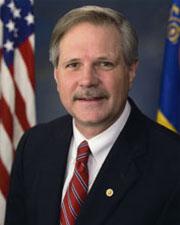
Sponsors
Timeline
Signed by President.
Signed by President.
Became Public Law No: 116-261.
Became Public Law No: 116-261.
Presented to President.
Presented to President.
Message on Senate action sent to the House.
Resolving differences -- Senate actions: Senate agreed to the House amendment to S. 212 by Voice Vote.
Senate agreed to the House amendment to S. 212 by Voice Vote. (consideration: CR S7586)
Message on House action received in Senate and at desk: House amendment to Senate bill.
Mr. Case moved to suspend the rules and pass the bill, as amended.
Considered under suspension of the rules. (consideration: CR H6099-6102)
DEBATE - The House proceeded with forty minutes of debate on S. 212.
Passed/agreed to in House: On motion to suspend the rules and pass the bill, as amended Agreed to by voice vote.(text: CR H6099-6101)
On motion to suspend the rules and pass the bill, as amended Agreed to by voice vote. (text: CR H6099-6101)
Motion to reconsider laid on the table Agreed to without objection.
Reported by the Committee on Natural Resources. H. Rept. 116-605, Part I.
Reported by the Committee on Natural Resources. H. Rept. 116-605, Part I.
Committee on Education and Labor discharged.
Committee on Education and Labor discharged.
Placed on the Union Calendar, Calendar No. 498.
Subcommittee for Indigenous Peoples of the United States Discharged.
Committee Consideration and Mark-up Session Held.
Ordered to be Reported by Unanimous Consent.
Referred to the Subcommittee for Indigenous Peoples of the United States.
Message on Senate action sent to the House.
Received in the House.
Referred to the Committee on Natural Resources, and in addition to the Committee on Education and Labor, for a period to be subsequently determined by the Speaker, in each case for consideration of such provisions as fall within the jurisdiction of the committee concerned.
Measure laid before Senate by unanimous consent. (consideration: CR S4649-4652)
Passed/agreed to in Senate: Passed Senate with an amendment by Voice Vote.(text: CR S4650-4652)
Passed Senate with an amendment by Voice Vote. (text: CR S4650-4652)
Committee on Indian Affairs. Reported by Senator Hoeven without amendment. With written report No. 116-28.
Committee on Indian Affairs. Reported by Senator Hoeven without amendment. With written report No. 116-28.
Placed on Senate Legislative Calendar under General Orders. Calendar No. 63.
Committee on Indian Affairs. Ordered to be reported without amendment favorably.
Introduced in Senate
Read twice and referred to the Committee on Indian Affairs.