Back to search

Bill Text Stats

134
Analyzed sections
$1.5B
Detected dollar total
86
Tax signals
34
Deadlines

Signal counts

Tax density 64.2%
Spending density 53.0%
Statutory Reference 91
Tax 86
Amendments 85
Spending 71
Benefits 46
Deadline 34
Enforcement 12
Agency 3

Top agencies

Commission shall 1
Secretary of Commerce has not made a determination with 1
Secretary of Labor has not made a 1

Statutory references

19 U.S.C. 1677 4
19 U.S.C. 1677b 4
19 USC 2271 4
19 U.S.C. 2466a 4
19 USC 3701 4
19 U.S.C. 2463 3
19 U.S.C. 3703 3
19 U.S.C. 58c 3

House Votes

No House roll call votes have been linked to this bill yet.

Timeline

Jun 29, 2015

Signed by President.

Jun 29, 2015

Signed by President.

Jun 29, 2015

Became Public Law No: 114-27.

Jun 29, 2015

Became Public Law No: 114-27.

Jun 26, 2015

Presented to President.

Jun 26, 2015

Presented to President.

Jun 25, 2015

Rule H. Res. 338 passed House.

Jun 25, 2015

Mr. Ryan (WI) moved that the House agree to the Senate amendment to the House amendment to the Senate amendment. (consideration: CR H4666-4698; text as House agree to the Senate amendment to the House amendment to the Senate amendment: CR H4666-4689)

Jun 25, 2015

DEBATE - Pursuant to the provisions of H. Res. 338, the House proceeded with 1 hour of debate on the Ryan (WI) motion to agree to the Senate amendment to the House amendment to the Senate amendment.

Jun 25, 2015

The previous question was ordered pursuant to the rule. (consideration: CR H4697)

Jun 25, 2015

Resolving differences -- House actions: On motion that the House agree to the Senate amendment to the House amendment to the Senate amendment Agreed to by the Yeas and Nays: 286 - 138 (Roll no. 388).(consideration: CR H4689-4698; text: CR H4689)

Jun 25, 2015

On motion that the House agree to the Senate amendment to the House amendment to the Senate amendment Agreed to by the Yeas and Nays: 286 - 138 (Roll no. 388). (consideration: CR H4689-4698; text: CR H4689)

Jun 25, 2015

Motion to reconsider laid on the table Agreed to without objection.

Jun 24, 2015

Cloture on the motion to concur in the House amendment to the Senate amendment with an amendment (SA 2065) invoked in Senate by Yea-Nay Vote. 76 - 22. Record Vote Number: 220. (consideration: CR S4583, S4583-4584)

Jun 24, 2015

Considered by Senate. (consideration: CR S4583-4584)

Jun 24, 2015

Motion by Senator McConnell to refer to Senate Committee on Finance with instructions to report back forthwith with amendment SA 2067 withdrawn in Senate by Unanimous Consent. (consideration: CR S4584)

Jun 24, 2015

Resolving differences -- Senate actions: Senate concurred in the House amendment to the Senate amendment to the bill (H.R. 1295) with an amendment (SA 2065) by Voice Vote.

Jun 24, 2015

Senate concurred in the House amendment to the Senate amendment to the bill (H.R. 1295) with an amendment (SA 2065) by Voice Vote.

Jun 24, 2015

Message on Senate action sent to the House.

Jun 24, 2015

Rules Committee Resolution H. Res. 338 Reported to House. Rule provides for consideration of H.R. 1295 with 1 hour of general debate. The resolution makes in order a motion offered by the chair of the Committee on Ways and Means or his designee that the House concur in the Senate amendment.

Jun 18, 2015

Measure laid before Senate by unanimous consent. (consideration: CR S4290-4292)

Jun 18, 2015

Motion by Senator McConnell to concur in the House amendment to the Senate amendment with an amendment (SA 2065) made in Senate. (consideration: CR S4291)

Jun 18, 2015

Motion by Senator McConnell to refer to Senate Committee on Finance with instructions to report back forthwith with amendment SA 2067 made in Senate. (consideration: CR S4291)

Jun 18, 2015

Cloture motion on the motion to concur in the House amendment to the Senate amendment with an amendment (SA 2065) presented in Senate. (consideration: CR S4291; text: CR S4291)

Jun 15, 2015

Message on House action received in Senate and at desk: House amendment to Senate amendment.

Jun 11, 2015

UNANIMOUS CONSENT_REQUEST - Mr. Byrne asked unanimous consent that the order of the House of June 10, 2015, regarding consideration of the Senate amendments to H.R. 1295, be modified by striking "printed" and inserting "submitted for printing". Agreed to without objection.

Jun 11, 2015

Pursuant to a previous special order Mr. Ryan(WI) moved to agree with an amendment to the Senate amendments. (consideration: CR H4172-4218; text of Senate amendment as received in House: CR H4172-4210)

Jun 11, 2015

DEBATE - Pursuant to a previous special order, the House proceeded with one hour of debate on the Ryan(WI) motion to agree to the Senate amendment to the title and agree to the Senate amendment to the text with an amendment No. 1 printed in the Congressional Record.

Jun 11, 2015

Pursuant to a previous order of the House the previous question was ordered without objection. (consideration: CR H4172-4218)

Jun 11, 2015

Resolving differences -- House actions: On motion that the House agree with an amendment to the Senate amendments Agreed to by the Yeas and Nays: 397 - 32 (Roll no. 345).(consideration: CR H4217-4218)

Jun 11, 2015

On motion that the House agree with an amendment to the Senate amendments Agreed to by the Yeas and Nays: 397 - 32 (Roll no. 345). (consideration: CR H4217-4218)

Jun 11, 2015

Motion to reconsider laid on the table Agreed to without objection.

Jun 10, 2015

ORDER OF BUSINESS - Mr. Sessions asked unanimous consent that it be in order at any time to take from the Speaker's table H.R. 1295, with the Senate amendments thereto, and to consider in the House, without intervention of any point of order, a single motion offered by the chair of the Committee on Ways and Means or his designee that the House (1) concur in the Senate amendment to the title and (2) concur in the Senate amendment to the text with the amendment printed in the portion of the Congressional Record designated for that purpose in clause 8 of rule 18 and numbered (1); that the Senate amendments and the motion be debatable for 1 hour equally divided and controlled by the chair and ranking minority member of the Committee on Ways and Means; and that the previous question be considered as ordered on the motion to its adoption without intervening motion or demand for division of the question. Agreed to without objection.

May 14, 2015

Measure laid before Senate by unanimous consent. (consideration: CR S2899-2908, S2946)

May 14, 2015

Passed/agreed to in Senate: Passed Senate, under the order of 5/13/15, having achieved 60 votes in the affirmative, with an amendment and an amendment to the Title by Yea-Nay Vote. 97 - 1. Record Vote Number: 178.(consideration: CR S2907)

May 14, 2015

Passed Senate, under the order of 5/13/15, having achieved 60 votes in the affirmative, with an amendment and an amendment to the Title by Yea-Nay Vote. 97 - 1. Record Vote Number: 178. (consideration: CR S2907)

May 14, 2015

Message on Senate action sent to the House.

Apr 20, 2015

Read the second time. Placed on Senate Legislative Calendar under General Orders. Calendar No. 57.

Apr 16, 2015

Received in the Senate. Read the first time. Placed on Senate Legislative Calendar under Read the First Time.

Apr 15, 2015

Mr. Ryan (WI) moved to suspend the rules and pass the bill, as amended.

Apr 15, 2015

Considered under suspension of the rules. (consideration: CR H2236-2238)

Apr 15, 2015

DEBATE - The House proceeded with forty minutes of debate on H.R. 1295.

Apr 15, 2015

Passed/agreed to in House: On motion to suspend the rules and pass the bill, as amended Agreed to by voice vote.(text: CR H2236-2237)

Apr 15, 2015

On motion to suspend the rules and pass the bill, as amended Agreed to by voice vote. (text: CR H2236-2237)

Apr 15, 2015

Motion to reconsider laid on the table Agreed to without objection.

Apr 13, 2015

Reported (Amended) by the Committee on Ways and Means. H. Rept. 114-71.

Apr 13, 2015

Reported (Amended) by the Committee on Ways and Means. H. Rept. 114-71.

Apr 13, 2015

Placed on the Union Calendar, Calendar No. 51.

Mar 25, 2015

Committee Consideration and Mark-up Session Held.

Mar 25, 2015

Ordered to be Reported in the Nature of a Substitute (Amended) by Voice Vote.

Mar 4, 2015

Introduced in House

Mar 4, 2015

Introduced in House

Mar 4, 2015

Referred to the House Committee on Ways and Means.

Affected Sectors

How to read this

Sectors are deterministic matches from official Congress.gov data and cached bill text. They are source-derived signals, not conclusions about intent or economic effect.

Evidence matches count official fields, normalized subjects, cached text snippets, or extracted entities that matched the sector rules.

Impact is a bill-level rollup used for sorting and filtering. It is not an economic impact estimate.

Confidence is the strongest individual match score behind that sector.

Evidence snippets show why a sector matched and can repeat when Congress.gov repeats the same phrase across official fields.

Finance and banking
382 evidence matches
Impact 100% Confidence 84%

Department of the Treasury

Income tax deductions

Tax administration and collection, taxpayers

Labor and employment
141 evidence matches
Impact 100% Confidence 85%

Women's employment

Secretary of Labor has not secretary of labor has not

Secretary of Labor has not made a secretary of labor has not made a

Education
90 evidence matches
Impact 100% Confidence 88%

Higher education

Higher education

Student aid and college costs

Healthcare
76 evidence matches
Impact 100% Confidence 90%

Medicare

is amended by FICATION OF HEALTH COVERAGE TAX CREDIT. (a) Extension.--Subparagraph (B) of section 35(b)(1) of the Internal Revenue Code of 1986 is amended by striking ``before January 1, 2014'' and inserting ``before Ja

is amended by d as Qualified Health Insurance Without Regard to Enrollment Date.-- (1) In general.--Subparagraph (J) of section 35(e)(1) of the Internal Revenue Code of 1986 is amended by striking ``insurance if the eligible individual'' an

Agriculture
20 evidence matches
Impact 100% Confidence 84%

Secretary of Agriculture secretary of agriculture

Secretary of Agriculture secretary of agriculture

Secretary of Agriculture secretary of agriculture

Small business
8 evidence matches
Impact 100% Confidence 82%

6F5ADD5AB94F1685842A98FF792249" (4) set out a strategy to promote small business and entrepreneurship; and paragraph commented="no" display-inline="no-display-inline"

benefits (4) set out a strategy to promote small business and entrepreneurship; and (5) eliminate obstacles to regional trade and promote greater utilization of benefits under the African Growth and Opportunity Act and establish a plan to p

benefits (4) set out a strategy to promote small business and entrepreneurship; and (5) eliminate obstacles to regional trade and promote greater utilization of benefits under the African Growth and Opportunity Act and establish a plan to p

Technology and data privacy
6 evidence matches
Impact 92% Confidence 76%

-inline" id="HC90A74BB4C2C48DC97D004944F861108" (11) Odor control technology. The term recr

. 2323 s required by paragraph (1) and the information contained in those reports.''. (b) Collection and Publication of Data.--Section 249B of the Trade Act of 1974 (19 U.S.C. 2323) is amended-- (1) in subsection (b)-- (A) in paragraph (3)-

2323 es required by paragraph (1) and the information contained in those reports.''. (b) Collection and Publication of Data.--Section 249B of the Trade Act of 1974 (19 U.S.C. 2323) is amended-- (1) in subsection (b)-- (A) in paragraph (3)-

Telecom and broadband
1 evidence matches
Impact 82% Confidence 76%

each beneficiary sub-Saharan African country should publish on an appropriate Internet website of such country public versions of its AGOA utilization strategy; and paragraph comm

State and local government
1 evidence matches
Impact 79% Confidence 73%

the growth, product, or manufacture of a beneficiary sub-Saharan African country and that is imported into the customs territory of the United States on or after the date that is 30 days after such date of enactment. /s

CBO Cost Estimates

Official Congressional Budget Office cost estimate links associated with this bill through Congress.gov records.

How to read this

CBO estimates are official source documents with their own assumptions, scope, and publication dates. They can score a bill, a version of a bill, or a broader legislative package.

LawLinter stores the source link from Congress.gov and does not replace the CBO document. Use these cards as pointers for source review, not as independent fiscal advice.

CBO context shows source-attributed Congressional Budget Office cost estimates linked from official Congress.gov bill records. It is research context only; read the official CBO source document for assumptions, scope, and dates.

Implementation and spending context

Official USAspending.gov award records for agencies connected through bill-text agency signals. This can help review implementation-adjacent public spending context, but it is not proof that the law caused a specific award.

How to read this

USAspending records describe federal awards, grants, contracts, loans, direct payments, recipients, agencies, and dates reported through the official public spending system.

LawLinter links this context through agency names detected in bill text. That bridge is a research shortcut and should not be read as a legal or budget conclusion.

USAspending context shows official public award records for agencies connected through LawLinter bill-text agency signals. It is historical spending and award context only, not proof that this bill caused, authorized, required, or changed any award, grant, contract, payment, or program spending.

Agency sample by amount

Where the local sample is concentrated

$18.8B
Department of Labor $13.8B
579 sampled awards
Department of Commerce $5.0B
65 sampled awards

Amounts reflect the local USAspending sample linked through agency text signals, not bill-caused spending.

Largest sampled awards

Award records in this context

MICHIGAN DEPARTMENT OF LABOR AND ECONOMIC OPPORTUNITY $1.6B
grants · Department of Commerce
FLORIDA DEPARTMENT OF COMMERCE $1.2B
grants · Department of Commerce
AK DEPARTMENT OF COMMERCE COMMUNITY ECONO $1.0B
grants · Department of Commerce
STATE OF KANSAS DEPARTMENT OF COMMERCE $451.7M
grants · Department of Commerce
DEPARTMENT OF LABOR NEW YORK $412.6M
grants · Department of Labor
NEBRASKA DEPARTMENT OF TRANSPORTATION $405.3M
grants · Department of Commerce

These bars summarize the visible sampled awards below so large awards are easier to scan.

Agency spending context

Department of Labor

Matched bill text signal: Secretary of Labor has not made a
Sampled awards579
Award amount in local sample$13,786,582,669
Open official USAspending agency page
Agency spending context

Department of Commerce

Matched bill text signal: Secretary of Commerce has not made a determination with
Sampled awards65
Award amount in local sample$5,009,033,126
Open official USAspending agency page
grants · 2620B109
Award amount
$1,559,362,480

PURPOSE: THE PURPOSE OF THIS GRANT IS TO SUPPORT CLOSING THE BROADBAND AVAILABILITY GAP AND SUPPORT THE DEVELOPMENT OF A FIVE-YEAR ACTION PLAN.THE PROPOSED PROJECT INCLUDES THE FOLLOWING PLANNING AND PRE-DEPLOYMENT ACTIVITIES: RESEARCH AND DATA COLLECTION, INCLUDING INITIAL IDENTIFICATION OF UNSERVED LOCATIONS AND UNDERSERVED LOCATIONS CONSISTENT WITH RULES, REGULATIONS, AND PROCESSES COMMISSION HAS ESTABLISHED FOR MAKING DETERMINATIONS IN BROADBAND DATA MAPS; THE DEVELOPMENT OF A PRELIMINARY BUDGET FOR PRE-PLANNING ACTIVITIES; TRAINING FOR EMPLOYEES OF BROADBAND PROGRAM OR OFFICE OF ELIGIBLE ENTITY OR EMPLOYEES OR POLITICAL SUBDIVISIONS OF ELIGIBLE ENTITY, AND RELATED STAFFING CAPACITY OR CONSULTING OR CONTRACTED SUPPORT TO EFFECTUATE GOALS OF BEAD PROGRAM; ESTABLISHING, OPERATING, OR INCREASING CAPACITY OF A BROADBAND OFFICE THAT OVERSEES BROADBAND PROGRAMS AND BROADBAND DEPLOYMENT IN AN ELIGIBLE ENTITY; ASSET MAPPING ACROSS THE ELIGIBLE ENTITY TO CATALOGUE BROADBAND ADOPTION, AFFORDABILITY, EQUITY, ACCESS AND DEPLOYMENT ACTIVITIES OCCURRING WITHIN THE ELIGIBLE ENTITY; CONDUCTING SURVEYS OF UNSERVED, UNDERSERVED, AND UNDERREPRESENTED COMMUNITIES TO BETTER UNDERSTAND BARRIERS TO ADOPTION; REASONABLE POST-NOFO, PRE-AWARD EXPENSES $100,000 RELATING TO PREPARATION OF PROGRAM SUBMISSIONS OR ADDING ADDITIONAL CAPACITY IN PREPARATION FOR BEAD PROGRAM; PUBLICATIONS, OUTREACH, AND COMMUNICATIONS SUPPORT; PROVIDING TECHNICAL ASSISTANCE TO POTENTIAL SUBGRANTEES, INCLUDING THROUGH WORKSHOPS AND EVENTS; AND COSTS ASSOCIATED WITH MEETING THE LOCAL COORDINATION REQUIREMENTS IN SECTION IV.C.1.C OF THIS NOFO INCLUDING CAPACITY BUILDING AT THE LOCAL AND REGIONAL LEVELS OR CONTRACTED SUPPORT. EXPECTED OUTCOMES: THE OUTCOMES OF MICHIGAN'S PROPOSED PROJECT, "MI CONNECTED FUTURE," ARE THE CREATION OF A COMPREHENSIVE FIVE-YEAR ACTION PLAN IDENTIFYING MICHIGAN'S BROADBAND ACCESS, AFFORDABILITY, EQUITY, AND ADOPTION NEEDS, SERVING AS A BENCHMARK FOR ADOPTING STRATEGIES, GOALS, AND INITIAL MEASURES FOR CONNECTING ALL RESIDENTS OF MICHIGAN WITH RELIABLE BROADBAND SERVICE; COMPREHENSIVELY ADDRESSING CONNECTIVITY CHALLENGES AND CREATE A MORE DIGITALLY EQUITABLE STATE BY COMBINING BEAD AND SDEPG EFFORTS INTO A SINGLE, ROBUST COMPREHENSIVE BROADBAND INFRASTRUCTURE AND DIGITAL EQUITY PLAN ADDRESSING THE STATE'S CHALLENGES AND CONNECT EVERY RESIDENT, BUSINESS, INSTITUTION, AND COMMUNITY TO HIGH-SPEED BROADBAND; THEREBY, REDUCING CONFUSION AMONG STAKEHOLDERS; CREATING AN INCLUSIVE PLAN BY WEAVING TOGETHER THE UNIVERSAL ACCESS AND DIGITAL EQUITY GOALS OF BOTH PROGRAMS; AND MAKING EFFICIENT USE OF FEDERAL RESOURCES BY REDUCING THE DUPLICATIVE ACTIVITIES AND SHARING OF COSTS. IN ADDITION TO OVERARCHING GOALS, MORE SPECIFIC OUTCOMES INCLUDE ALLOWING FOR BETTER GAUGING OF ACTIVITY PROGRESS AND A MEANS FOR MEASURING ACTIVITY COMPLETION, GREATER CAPACITY AND THE CREATION OF A MORE COMPREHENSIVE FIVE-YEAR ACTION PLAN, AS WELL AS FUTURE PROJECT DELIVERABLES; CREATING AN ASSET INVENTORY TO IDENTIFY GAPS WHEN COMPARED WITH NEEDS ASSESSMENT; COMMUNITY ENGAGEMENT AND UNDERSTANDING OF COMMUNITY NEEDS. INTENDED BENEFICIARIES: THE INTENDED BENEFICIARIES ARE UNSERVED AND UNDERSERVED GROUPS IN THE STATE OF MICHIGAN WITH A FOCUS ON RURAL AND UNSERVED POPULATIONS.SUBRECIPIENT ACTIVITIES: THE RECIPIENT DOES NOT INTEND TO INTEND TO SUBAWARD FUNDS.

grants · 1220B417

FLORIDA DEPARTMENT OF COMMERCE

Department of Commerce
Award amount
$1,169,947,393

PURPOSE: THE PURPOSE OF THIS GRANT IS TO SUPPORT CLOSING THE BROADBAND AVAILABILITY GAP AND SUPPORT THE DEVELOPMENT OF A FIVE-YEAR ACTION PLAN.THE PROPOSED PROJECT INCLUDES THE FOLLOWING PLANNING AND PRE-DEPLOYMENT ACTIVITIES: RESEARCH AND DATA COLLECTION, INCLUDING INITIAL IDENTIFICATION OF UNSERVED LOCATIONS AND UNDERSERVED LOCATIONS CONSISTENT WITH RULES, REGULATIONS, AND PROCESSES COMMISSION HAS ESTABLISHED FOR MAKING DETERMINATIONS IN BROADBAND DATA MAPS; PROVIDING TECHNICAL ASSISTANCE TO POTENTIAL SUBGRANTEES, INCLUDING THROUGH WORKSHOPS AND EVENTS; ESTABLISHING, OPERATING, OR INCREASING CAPACITY OF A BROADBAND OFFICE THAT OVERSEES BROADBAND PROGRAMS AND BROADBAND DEPLOYMENT IN AN ELIGIBLE ENTITY; ASSET MAPPING ACROSS THE ELIGIBLE ENTITY TO CATALOGUE BROADBAND ADOPTION, AFFORDABILITY, EQUITY, ACCESS AND DEPLOYMENT ACTIVITIES OCCURRING WITHIN THE ELIGIBLE ENTITY; CONDUCTING SURVEYS OF UNSERVED, UNDERSERVED, AND UNDERREPRESENTED COMMUNITIES TO BETTER UNDERSTAND BARRIERS TO ADOPTION; AND COSTS ASSOCIATED WITH MEETING THE LOCAL COORDINATION REQUIREMENTS IN SECTION IV.C.1.C OF THIS NOFO INCLUDING CAPACITY BUILDING AT THE LOCAL AND REGIONAL LEVELS OR CONTRACTED SUPPORT. EXPECTED OUTCOMES: THE APPLICANT'S PROPOSED ACTIVITIES WILL INFORM THE CREATION OF A FIVE-YEAR ACTION PLAN, BY CONDUCTING RESEARCH AND DATA COLLECTION, COMPILING THE RESEARCH AND DATA COLLECTED FROM THE ESTABLISHED LOCAL TECHNOLOGY PLANNING TEAMS (LTPTS) INTO A COMPREHENSIVE LIST CREATED FROM THEIR WORKSHOPS AND SURVEYS AND IDENTIFYING PRIORITIES; PROVIDING TECHNICAL ASSISTANCE THROUGH PLANNED WORKSHOPS TO DISCUSS THE LTPTS FINDINGS AND RECOMMENDATIONS, SEEKING INPUT FROM THE PUBLIC ON THOSE RECOMMENDATIONS, AND DEDICATING TIME TO INTERACT WITH POTENTIAL PROGRAM APPLICANTS TO ENSURE A GREATER UNDERSTANDING OF THE PROCESS AND OFFER Q&A TIME; INCREASING OFFICE STAFF CAPACITY AND EQUIPMENT TO PROVIDE TECHNICAL ASSISTANCE THROUGHOUT THE APPLICATION PROCESS, OVERSEE PROJECTS, AND PROCESS OF PROJECT INVOICES; ASSISTING WITH LOCAL COORDINATION AND CONTRACTED SUPPORT THROUGH FUNDING TO THE LTPTS TO SUPPORT PUBLIC ENGAGEMENT AND PROVIDE PERSPECTIVE ON BROADBAND INTERNET GAPS, NEEDS, AND STRATEGIES; AND ENGAGING WITH QUALIFIED CONTRACTORS/CONSULTANTS IN DEVELOPING THE FIVE-YEAR ACTION PLAN, INITIAL PROPOSAL, ASSET MAPPING, AND MORE DETAILED BROADBAND INTERNET MAPPING.INTENDED BENEFICIARIES: THE INTENDED BENEFICIARIES ARE UNSERVED AND UNDERSERVED GROUPS IN THE STATE OF FLORIDA WITH A FOCUS ON RURAL AND UNSERVED POPULATIONS.SUBRECIPIENT ACTIVITIES: THE RECIPIENT DOES NOT INTEND TO INTEND TO SUBAWARD FUNDS.

grants · 0220B066
Award amount
$1,017,139,672

PURPOSE: THE PURPOSE OF THIS GRANT IS TO SUPPORT CLOSING THE BROADBAND AVAILABILITY GAP AND SUPPORT THE DEVELOPMENT OF A FIVE-YEAR ACTION PLAN.THE PROPOSED PROJECT INCLUDES THE FOLLOWING PLANNING AND PRE-DEPLOYMENT ACTIVITIES: RESEARCH AND DATA COLLECTION, INCLUDING INITIAL IDENTIFICATION OF UNSERVED LOCATIONS AND UNDERSERVED LOCATIONS CONSISTENT WITH RULES, REGULATIONS, AND PROCESSES COMMISSION HAS ESTABLISHED FOR MAKING DETERMINATIONS IN BROADBAND DATA MAPS; PROVIDING TECHNICAL ASSISTANCE TO POTENTIAL SUBGRANTEES, INCLUDING THROUGH WORKSHOPS AND EVENTS; TRAINING FOR EMPLOYEES OF BROADBAND PROGRAM OR OFFICE OF ELIGIBLE ENTITY OR EMPLOYEES OR POLITICAL SUBDIVISIONS OF ELIGIBLE ENTITY, AND RELATED STAFFING CAPACITY OR CONSULTING OR CONTRACTED SUPPORT TO EFFECTUATE GOALS OF BEAD PROGRAM; ESTABLISHING, OPERATING, OR INCREASING CAPACITY OF A BROADBAND OFFICE THAT OVERSEES BROADBAND PROGRAMS AND BROADBAND DEPLOYMENT IN AN ELIGIBLE ENTITY; ASSET MAPPING ACROSS THE ELIGIBLE ENTITY TO CATALOGUE BROADBAND ADOPTION, AFFORDABILITY, EQUITY, ACCESS AND DEPLOYMENT ACTIVITIES OCCURRING WITHIN THE ELIGIBLE ENTITY; COSTS ASSOCIATED WITH MEETING THE LOCAL COORDINATION REQUIREMENTS IN SECTION IV.C.1.C OF THIS NOFO INCLUDING CAPACITY BUILDING AT THE LOCAL AND REGIONAL LEVELS OR CONTRACTED SUPPORT; AND REASONABLE POST-NOFO, PRE-AWARD EXPENSES $100,000 RELATING TO PREPARATION OF PROGRAM SUBMISSIONS OR ADDING ADDITIONAL CAPACITY IN PREPARATION FOR BEAD PROGRAM.EXPECTED OUTCOMES: THE OUTCOMES OF ALASKA'S PROPOSED PROJECT, "CONNECT NORTH!," ARE A COMPREHENSIVE FIVE-YEAR ACTION PLAN, INITIAL AND FINAL PROPOSALS, AND CLIMATE THREAT ASSESSMENT, IDENTIFYING ALASKA'S BROADBAND ACCESS, AFFORDABILITY, EQUITY, AND ADOPTION NEEDS; SERVING AS A BENCHMARK FOR ADOPTING STRATEGIES, GOALS, AND INITIAL MEASURES FOR CONNECTING ALL RESIDENTS OF ALASKA WITH RELIABLE BROADBAND SERVICE; ALLOWING NATIVE ALASKANS TO MAINTAIN A TRADITIONAL CULTURAL LIFESTYLE WHILE FULLY PARTICIPATING IN THE GLOBAL ECONOMY; AND MAKING IT POSSIBLE FOR EVERY ALASKAN TO PARTICIPATE AND BE COMPETITIVE IN THE GLOBAL COMMUNITY BY FACILITATING ACCESS TO THE FULL BENEFITS OF BROADBAND WITH IMPROVED QUALITY OF SERVICE AND LOWER COSTS. MORE SPECIFIC OUTCOMES INCLUDE RESEARCH THAT WILL HELP INFORM DECISIONS THROUGHOUT PROGRAM DELIVERY AND SUCCESSFUL ACHIEVEMENTS OF DELIVERABLES. INTENDED BENEFICIARIES: THE INTENDED BENEFICIARIES ARE UNSERVED AND UNDERSERVED GROUPS IN THE STATE OF ALASKA WITH A FOCUS ON RURAL AND UNSERVED POPULATIONS.SUBRECIPIENT ACTIVITIES: THE RECIPIENT DOES NOT INTEND TO SUBAWARD FUNDS

grants · 2020B172
Award amount
$451,725,998

PURPOSE: THE PURPOSE OF THIS GRANT IS TO SUPPORT CLOSING THE BROADBAND AVAILABILITY GAP AND SUPPORT THE DEVELOPMENT OF A FIVE-YEAR ACTION PLAN.ACTIVITIES TO BE PERFORMED: 20-20-B172 - THE PROPOSED PROJECT INCLUDES THE FOLLOWING PLANNING AND PRE-DEPLOYMENT ACTIVITIES: TRAINING FOR EMPLOYEES OF BROADBAND PROGRAM OR OFFICE OF ELIGIBLE ENTITY OR EMPLOYEES OR POLITICAL SUBDIVISIONS OF ELIGIBLE ENTITY, AND RELATED STAFFING CAPACITY OR CONSULTING OR CONTRACTED SUPPORT TO EFFECTUATE GOALS OF BEAD PROGRAM; ESTABLISHING, OPERATING, OR INCREASING CAPACITY OF A BROADBAND OFFICE THAT OVERSEES BROADBAND PROGRAMS AND BROADBAND DEPLOYMENT IN AN ELIGIBLE ENTITY; RESEARCH AND DATA COLLECTION, INCLUDING INITIAL IDENTIFICATION OF UNSERVED LOCATIONS AND UNDERSERVED LOCATIONS CONSISTENT WITH RULES, REGULATIONS, AND PROCESSES COMMISSION HAS ESTABLISHED FOR MAKING DETERMINATIONS IN BROADBAND DATA MAPS; PUBLICATIONS, OUTREACH, AND COMMUNICATIONS SUPPORT; PROVIDING TECHNICAL ASSISTANCE TO POTENTIAL SUBGRANTEES, INCLUDING THROUGH WORKSHOPS AND EVENTS; COSTS ASSOCIATED WITH MEETING THE LOCAL COORDINATION REQUIREMENTS IN SECTION IV.C.1.C OF THIS NOFO INCLUDING CAPACITY BUILDING AT THE LOCAL AND REGIONAL LEVELS OR CONTRACTED SUPPORT EXPECTED OUTCOMES: THE OUTCOMES OF KANSAS' PROPOSED PROJECT, "KANSAS NTIA-BEAD-2022," ARE COMPREHENSIVE FIVE-YEAR ACTION PLAN, INITIAL PROPOSAL, FINAL PROPOSAL, AND STATE DIGITAL EQUITY PLAN, BUILDING KANSAS OFFICE OF BROADBAND DEVELOPMENT (KOBD) PROGRAMMING AND REPORTING CAPABILITIES, EFFECTIVELY ADVANCE THE OBJECTIVES OF THE BEAD PROGRAM, COLLABORATING ACROSS TRADITIONAL LINES TO LEVERAGE FUNDING STREAMS, REDUCING DUPLICATIVE SPEND, EMPHASIZE DIGITAL EQUITY, AND MINIMIZE STRESS ON LOCAL/REGIONAL STAKEHOLDERS, AND ALLOW FOR SUBSTANTIAL INTERACTION BETWEEN INDIVIDUALS/GROUPS TASKED WITH DEVELOPING PLANS ABOVE; AND DELIVERING MEASURABLE AND QUANTIFIABLE RESULTS.INTENDED BENEFICIARIES: THE INTENDED BENEFICIARIES ARE UNSERVED AND UNDERSERVED GROUPS IN THE STATE OF KANSAS WITH A FOCUS ON RURAL AND UNSERVED POPULATIONS.SUBRECIPIENT ACTIVITIES: THE RECIPIENT DOES NOT INTEND TO INTEND TO SUBAWARD FUNDS.

grants · 3120B298N
Award amount
$405,281,070

PURPOSE: THE PURPOSE OF THIS GRANT IS TO SUPPORT CLOSING THE BROADBAND AVAILABILITY GAP AND SUPPORT THE DEVELOPMENT OF A FIVE-YEAR ACTION PLAN.THE PROPOSED PROJECT INCLUDES THE FOLLOWING PLANNING AND PRE-DEPLOYMENT ACTIVITIES: RESEARCH AND DATA COLLECTION, INCLUDING INITIAL IDENTIFICATION OF UNSERVED LOCATIONS AND UNDERSERVED LOCATIONS CONSISTENT WITH RULES, REGULATIONS, AND PROCESSES COMMISSION HAS ESTABLISHED FOR MAKING DETERMINATIONS IN BROADBAND DATA MAPS; PUBLICATIONS, OUTREACH, AND COMMUNICATIONS SUPPORT; REASONABLE POST-NOFO, PRE-AWARD EXPENSES $100,000 RELATING TO PREPARATION OF PROGRAM SUBMISSIONS OR ADDING ADDITIONAL CAPACITY IN PREPARATION FOR BEAD PROGRAM; ESTABLISHING, OPERATING, OR INCREASING CAPACITY OF A BROADBAND OFFICE THAT OVERSEES BROADBAND PROGRAMS AND BROADBAND DEPLOYMENT IN AN ELIGIBLE ENTITY; ASSET MAPPING ACROSS THE ELIGIBLE ENTITY TO CATALOGUE BROADBAND ADOPTION, AFFORDABILITY, EQUITY, ACCESS AND DEPLOYMENT ACTIVITIES OCCURRING WITHIN THE ELIGIBLE ENTITY.EXPECTED OUTCOMES: THE OUTCOMES OF NEBRASKA'S PROPOSED PROJECT ARE CREATING A FRAMEWORK THROUGH WHICH GRANTS CAN BE DISTRIBUTED TO SUBGRANTEES BASED ON THE STRUCTURE IN PLACE FOR THE NEBRASKA BROADBAND BRIDGE PROGRAM (NBBP) GRANT PROGRAM; OFFERING MORE RELIABLE BROADBAND SERVICE THROUGHOUT OUR STATE; IMPROVED UNDERSTANDING OF THE SPECIFIC AREAS OF NEED FOR BROADBAND SERVICE AND WILL PROVIDE BASELINE INFORMATION FOR DEVELOPING MODELED COSTS TO PROVIDE SERVICES TO ALL LOCATIONS; AND OUTREACH TO COMMUNITIES THROUGHOUT NEBRASKA.INTENDED BENEFICIARIES: THE INTENDED BENEFICIARIES ARE UNSERVED AND UNDERSERVED GROUPS IN THE STATE OF NEBRASKA WITH A FOCUS ON RURAL AND UNSERVED POPULATIONS.SUBRECIPIENT ACTIVITIES: THE RECIPIENT DOES NOT INTEND TO SUBAWARD FUNDS.

grants · AA385462255A36

DEPARTMENT OF LABOR NEW YORK

Department of Labor
Award amount
$218,153,379

AWARD PURPOSE THE PURPOSE OF THE WIOA YOUTH GRANTS IS TO PROVIDE RESOURCES FOR LOCAL WORKFORCE DEVELOPMENT AREAS TO DELIVER COMPREHENSIVE YOUTH SERVICES THAT FOCUS ON ASSISTING OUT-OF- SCHOOL YOUTH AND IN-SCHOOL YOUTH, WITH ONE OR MORE BARRIERS TO EMPLOYMENT, PREPARE FOR EMPLOYMENT AND POSTSECONDARY EDUCATION OPPORTUNITIES; ATTAIN EDUCATIONAL AND/OR SKILLS TRAINING CREDENTIALS; AND SECURE EMPLOYMENT WITH CAREER/PROMOTIONAL OPPORTUNITIES. ACTIVITIES PERFORMED WIOA SPECIFIES THAT STATES PROVIDE RESOURCES FOR LOCAL WORKFORCE DEVELOPMENT AREAS TO ADMINISTER YOUTH SERVICES. LOCAL WORKFORCE DEVELOPMENT AREAS DELIVER COMPREHENSIVE YOUTH SERVICES TO OUT-OF-SCHOOL YOUTH AND IN-SCHOOL YOUTH. TRAINING SERVICES INCLUDE: TUTORING; ALTERNATIVE SECONDARY SCHOOL SERVICES; PAID AND UNPAID WORK EXPERIENCES, WHICH INCLUDE: SUMMER AND YEAR ROUND EMPLOYMENT OPPORTUNITIES, PRE-APPRENTICESHIP PROGRAMS, INTERNSHIPS AND JOB SHADOWING, AND ON-THE-JOB TRAINING; OCCUPATIONAL SKILL TRAINING; EDUCATION OFFERED CONCURRENTLY WITH WORKFORCE PREPARATION AND TRAINING; LEADERSHIP DEVELOPMENT OPPORTUNITIES; SUPPORTIVE SERVICES; MENTORING; FOLLOW-UP SERVICES; COMPREHENSIVE GUIDANCE AND COUNSELING; FINANCIAL LITERACY EDUCATION; ENTREPRENEURIAL SKILLS TRAINING; SERVICES THAT PROVIDE LABOR MARKET AND EMPLOYMENT INFORMATION; AND POSTSECONDARY EDUCATION AND TRAINING PREPARATION ACTIVITIES. DELIVERABLES THE WIOA YOUTH PROGRAM OUTCOMES ARE TO PROVIDE ACTIVITIES THAT LEAD TO THE ATTAINMENT OF A SECONDARY SCHOOL DIPLOMA OR RECOGNIZED POST-SECONDARY CREDENTIAL AND/OR EMPLOYMENT. INTENDED BENEFICIARY YOUTH, BETWEEN THE AGES OF 14 AND 24, WITH ONE OR MORE OF THE FOLLOWING CHARACTERISTICS: LOW-INCOME; BASIC SKILLS DEFICIENT; ENGLISH LANGUAGE LEARNER; JUSTICE SYSTEM INVOLVEMENT; HOMELESS; RUNAWAY; IN FOSTER CARE; PREGNANT OR PARENTING; INDIVIDUAL WITH A DISABILITY; OR WHO REQUIRES ADDITIONAL ASSISTANCE TO COMPLETE AN EDUCATIONAL PROGRAM. SUBRECIPIENT ACTIVITIES LOCAL WORKFORCE DEVELOPMENT AGENCIES DELIVER COMPREHENSIVE SERVICES TO OUT-OF-SCHOOL AND IN-SCHOOL YOUTH TO PREPARE THEM FOR POSTSECONDARY EDUCATION AND EMPLOYMENT. SOME OF THE TYPES OF SERVICE ACTIVITIES MAY INCLUDE BUT ARE NOT LIMITED TO: TUTORING; PAID AND UNPAID WORK EXPERIENCES, OCCUPATIONAL SKILL TRAINING, FOLLOW-UP SERVICES; AND COMPREHENSIVE GUIDANCE AND COUNSELING, AND SUPPORTIVE SERVICES.

grants · UI393392355A36

DEPARTMENT OF LABOR NEW YORK

Department of Labor
Award amount
$187,373,821

AWARD PURPOSE THE PURPOSE OF THIS GRANT IS TO ADMINISTER THE STATE'S UNEMPLOYMENT INSURANCE PROGRAM ACTIVITIES. ACTIVITIES PERFORMED FUNDING PROVIDED TO THE STATE IS FOR COSTS INCURRED FOR THE OPERATION OF THEIR UNEMPLOYMENT INSURANCE PROGRAM. THIS INCLUDES THE STATE'S UNEMPLOYMENT INSURANCE ADMINISTRATIVE WORKLOAD AND THEIR ABILITY TO PROCESS CLAIMS. THIS ALSO INCLUDES THE OPERATION OF THE STATE'S CLAIMANT SYSTEMS AS WELL AS STAFFING LEVELS AND OVERHEAD COSTS. DELIVERABLES THE STATE IS ABLE TO MAINTAIN OR IMPROVE LEVELS OF PERFORMANCE REGARDING THE TIMELINESS AND QUALITY OF PROCESSING UNEMPLOYMENT INSURANCE CLAIMS, AS WELL AS EFFECTIVELY HANDLE IMPROPER PAYMENTS. THE STATE'S ABILITY TO IDENTIFY FRAUDULENT CLAIMS AND REDUCE IMPROPER PAYMENT RATES IS MAINTAINED OR IMPROVED. INTENDED BENEFICIARY UNEMPLOYED CLAIMANTS. SUBRECIPIENT ACTIVITIES THE RECIPIENT DOES NOT INTEND TO SUBAWARD FUNDS.

Campaign Finance Context

Related FEC/OpenFEC campaign-finance records for lawmakers and candidates tied to this bill through source-attributed legislative relationships. These are not donations to the bill itself.

How to read this

Amounts shown here are campaign-finance totals for sponsor or cosponsor-linked candidates and their committees in the displayed FEC cycle.

They are not donations to this bill, spending on this bill, or proof that money influenced or caused sponsorship, cosponsorship, votes, or legislative outcomes.

If multiple linked lawmakers have FEC records, this section can show multiple candidate cards and separate sponsor/cosponsor rollups.

Campaign-finance context uses source-attributed FEC/OpenFEC records that are related or relevant to the displayed bill, lawmaker, candidate, committee, or legislative relationship through deterministic links. It is research context only, not proof of influence, causation, endorsement, or that money caused a sponsorship, vote, or legislative outcome.

No FEC/OpenFEC campaign-finance context is currently linked for this bill.

Lobbying Context

Related LDA.gov filings where public lobbying activity descriptions reference this bill. These records are source-attributed research context, not evidence of influence or causation.

How to read this

LDA filings are public lobbying disclosure records. LawLinter links them here only when the filing activity text contains an exact-looking reference to this bill.

A filing can mention many issues, clients, agencies, or bills. A match should be treated as a pointer for review, not as a conclusion about why legislation changed or how any lawmaker acted.

Lobbying context uses source-attributed LDA.gov records that appear related to this bill through bill references in public lobbying activity descriptions. It is research context only, not proof of influence, causation, endorsement, lobbying effectiveness, or legislative intent.

No LDA.gov lobbying disclosure context is currently linked for this bill.

Federal Register Context

Regulatory and agency documents that reference a law connected to this bill, including rules, proposed rules, notices, dockets, CFR references, and agency source links when available.

How to read this

Federal Register records can show how enacted laws move into agency rules, notices, comment windows, dockets, and CFR references after Congress acts.

LawLinter only treats explicit source references, such as public-law citations, as bill context at this stage. Broader topic or agency similarity should be reviewed separately.

Federal Register context shows source-attributed regulatory documents that reference a linked public or private law. It is implementation and regulatory follow-through context only; verify legal effect, dates, and official text against the Federal Register, eCFR, Regulations.gov, and GovInfo source links.

Summary

49 Public Law Jan 4, 2018

Trade Preferences Extension Act of 2015 TITLE I--EXTENSION OF AFRICAN GROWTH AND OPPORTUNITY ACT AGOA Extension and Enhancement Act of 2015 (Sec. 103) This bill amends the Trade Act of 1974 and the African Growth and Opportunity Act (AGOA) to extend through FY2025 the duty-free treatment of the products of beneficiary sub-Saharan African countries under those Acts. The extended period also applies to: the preferential treatment of apparel articles wholly assembled, or components knit-to-shape and wholly assembled, in one or more beneficiary sub-Saharan African countries from yarns originating in the United States or one or more beneficiary sub-Saharan African countries or former beneficiary sub-Saharan African countries, or both; and the third-country fabric program granting duty-free treatment of apparel articles wholly assembled, or knit-to-shape and wholly assembled, or both, in one or more lesser developed beneficiary sub-Saharan African countries, regardless of the country of origin of the fabric or the yarn used to make such articles. (Sec. 104) This bill amends the Generalized System of Preferences (GSP) to revise rules of origin for duty-free treatment of articles of beneficiary sub-Saharan African countries. (Sec. 105) The President must not terminate the designation of a country as a beneficiary sub-Saharan African country unless, at least 60 days before termination, the President notifies Congress and the country of that intention. The President, instead of terminating the designation, may withdraw, suspend, or limit the duty-free treatment for any article that is the growth, product, or manufacture of a beneficiary sub-Saharan African country if that would be more effective in promoting the country's compliance with certain requirements, including a market-based economy and the rule of law, the protection of human rights and internationally-recognized worker rights, elimination of trade barriers to the United States, and non-engagement in activities that undermine U.S. national security or foreign policy interests or support acts of international terrorism. The President may not withdraw, suspend, or limit the duty-free treatment before notifying Congress and the country in question of that intention at least 60 days in advance. The President shall: publish annually in the Federal Register a notice of review and request for public comments on whether beneficiary sub-Saharan African countries are meeting the eligibility requirements for preferential treatment under AGOA and the Trade Act of 1974, and establish a process for interested persons to file a petition with the United States Trade Representative (USTR) regarding the compliance of sub-Saharan African countries with such requirements. The President may also, at any time, initiate an out-of-cycle review of whether a beneficiary sub-Saharan African country is making continual progress in meeting preferential treatment eligibility requirements. (Sec. 106) To be eligible for preferential treatment a sub-Saharan African country must make progress toward establishing a market-based economy that protects the private property rights of women as well as those of men. (Sec. 107) It is the sense of Congress that beneficiary sub-Saharan African countries should develop strategies biennially for more effective utilization of AGOA trade benefits. It is further the sense of Congress that the biennial AGOA utilization strategies should: review potential exports under AGOA and identify opportunities and obstacles to increased trade and investment and enhanced poverty reduction, set out a strategy to promote small business, eliminate obstacles to regional trade and promote greater utilization of AGOA trade benefits and establish a plan to fully implement the Agreement on Trade Facilitation of the World Trade Organization, and be published on the appropriate websites of each sub-Saharan African country and the USTR. (Sec. 108) It is U.S. policy to continue to seek to deepen and expand trade and investment ties between sub-Saharan Africa and the United States through specified actions. (Sec. 109) This bill amends the AGOA Acceleration Act of 2004 to direct the President, now through the Department of Agriculture, to identify any eligible sub-Saharan African country (currently only 10) having the greatest potential to increase marketable exports of agricultural products to the United States and the greatest need for agricultural technical assistance, particularly with respect to developing food safety standards. The President must also assign 30 (currently 20) full-time personnel to provide this assistance to these countries to ensure that their exports of agricultural products, particularly from businesses and sectors that engage women farmers and entrepreneurs, meet U.S. requirements. The President shall take any measures necessary to ensure adequate coordination of federal agencies relating to agricultural technical assistance for sub-Saharan Africa. (Sec. 110) The President shall report biennially to Congress, starting not later than one year after enactment of this Act, on trade and investment between the United States and sub-Saharan African countries and implementation of this Act. The USTR shall report every five years to Congress, starting not later than one year after enactment of this Act, on sub-Saharan African countries that have expressed an interest in entering into a free trade agreement with the United States. TITLE II--EXTENSION OF GENERALIZED SYSTEM OF PREFERENCES (Sec. 201) The duty-free treatment under the GSP is extended under the Trade Act of 1974 through December 31, 2017. This bill requires the liquidation or reliquidation (refund of duties) on duty-free articles that entered into the United States after July 31, 2013, and before the 30th day after enactment of this Act. (Sec. 202) The President may designate certain cotton articles as eligible for duty-free treatment only for least-developed beneficiary developing countries. (Sec. 203) The competitive need limitation and waiver requirements under the GSP shall apply to certain import-sensitive articles exported (directly or indirectly) from beneficiary developing countries to the United States during calendar 2014. (Sec. 204) The President may now designate certain luggage and travel articles as eligible articles from all beneficiary developing countries. TITLE III--EXTENSION OF PREFERENTIAL DUTY TREATMENT PROGRAM FOR HAITI (Sec. 301) This bill amends the Caribbean Basin Economic Recovery Act to extend through December 19, 2025, the duty-free entry of apparel articles, including woven articles and certain knit articles, assembled in Haiti and imported from Haiti or the Dominican Republic to the United States. The special duty-free rules for Haiti shall now extend through September 30, 2025. TITLE IV--EXTENSION OF TRADE ADJUSTMENT ASSISTANCE Trade Adjustment Assistance Reauthorization Act of 2015 (Sec. 402) This bill amends the Trade Adjustment Assistance Extension Act of 2011 to repeal the declaration that trade adjustment assistance (TAA) program requirements in effect as of February 13, 2011, under the Trade Act of 1974 shall apply to petitions for certification to apply for TAA for workers, firms, and farmers that are filed before January 1, 2014. (Sec. 403) This bill amends the Trade Act of 1974 to extend through June 30, 2021: the TAA program, and the reemployment trade adjustment assistance (RTAA) program. Funds are made available for FY2015-FY2021 for training of adversely affected workers as well as (through June 30, 2021) reemployment and case management services. This bill reauthorizes appropriations: through June 30, 2021, for the TAA program for workers; and for FY2015-FY2021 for the TAA program for firms and farmers. (Sec. 404) Primary indicators of performance replace core indicators of performance, and now include among other factors the percentage and number of workers receiving TAA benefits who are in: unsubsidized employment, and an education or training program that leads to a recognized postsecondary schooling credential or employment and who are achieving measurable gains in skills toward that credential or employment. Mandatory reporting of data on training must now include: the average cost per workers of receiving training, and the percentage of workers who receive training as well as obtained unsubsidized employment related to it. (Sec. 405) The Department of Labor must use specified criteria to determine the eligibility of workers to apply for TAA if no determination has been made, upon enactment of this Act, as to whether to certify a group of workers or firms as eligible pursuant to a petition filed between January 1, 2014, and enactment of this Act. The Department must reconsider any determination made before enactment of this Act not to certify such workers or firms, and to certify them as eligible if they meet the specified requirements. (Sec. 406) This bill increases from 52 to 65 additional weeks of TAA payments in a 78-week period the length of additional time permissible to complete training. (Sec. 407) This bill amends the Internal Revenue Code to extend the tax credit for health insurance costs of a taxpayer and qualifying family members through 2019. The tax credit for health insurance costs is a refundable tax credit equal to 72.5% of the cost of qualified health coverage paid by an eligible individual (defined as one who is receiving a trade adjustment allowance, is eligible for the alternative trade adjustment assistance program, or is over age 55 and receives pension benefits from the Pension Benefit Guaranty Corporation [PBGC]). A taxpayer shall make an election to have the tax credit apply for any eligible coverage month during a taxable year. An eligible coverage month is one in which an eligible individual is covered by qualified health insurance, does not have other specified coverage, and is not imprisoned. The Departments of the Treasury, of Health and Human Services (HHS), and of Labor and the PBGC shall conduct a public outreach, including on the Internet, to inform individuals eligible for the tax credit for health insurance costs on the extension of such credit and the availability of the election to claim such credit retroactively for coverage months beginning after December 31, 2013. TITLE V--IMPROVEMENTS TO ANTIDUMPING AND COUNTERVAILING DUTY LAWS American Trade Enforcement Effectiveness Act (Sec. 502) This bill amends the Tariff Act of 1930 with respect to the administration and enforcement of antidumping (AD) and countervailing duty (CVD) orders. Neither the administering authority (the Secretary of Commerce, or another U.S. officer given the responsibility by law) nor the U.S. International Trade Commission (USITC), as the case may be, is required to determine, or make any adjustments to, a countervailable subsidy rate or weighted average dumping margin based on any assumptions about information the interested party would have provided if it had complied with a request for information. The administering authority and the USITC, when relying during an AD or CVD proceeding on secondary information rather than on information obtained in the course of an investigation or review, shall not be required to corroborate any dumping margin or CVD in a separate segment of the same proceeding. The administering authority may use a countervailable subsidy rate or dumping margin meeting specified criteria, including the highest rate or margin, when making an inference adverse to a party's interests. (Sec. 503) The USITC may not determine that there is no material injury or threat of material injury to a domestic industry from imports merely because that industry is profitable or its performance has recently improved. This bill includes gross profits, operating profits, net profits, and ability to service debt among the relevant economic factors the USITC must evaluate in examining the impact of imports of merchandise on a domestic industry in material injury determinations. The USITC, in determining market share and the factors affecting financial performance when domestic producers internally transfer significant production of the domestic like product for the production of a downstream article and sell significant production of the domestic like product in the merchant market, may no longer need to find that the production of the domestic like product sold in the merchant market is not generally used in the production of that downstream article. (Sec. 504) The administering authority shall consider to be outside the ordinary course of trade any particular market situation that prevents a proper comparison with the export price or constructed export price. The administering authority may use another calculation methodology than the ordinary one in determining the constructed value of subject merchandise being imported at less than fair value if a particular market situation exists where the cost of materials and fabrication or other processing of any kind does not accurately reflect the cost production in the ordinary course of trade. (Sec. 505) This bill revises requirements regarding administering authority determinations as to whether there are reasonable grounds to believe or suspect that a foreign like product is being sold at less than cost of production in AD investigations or reviews. Information supplied by an interested party, based upon observed prices or constructed prices or costs, may no longer constitute a reasonable ground to believe or suspect such a sales condition. The administering authority in making its determinations, however, shall request information necessary to calculate the constructed value and cost of production of subject merchandise in such investigations or reviews. The administering authority, in valuing the factors of production to determine the normal value of merchandise exported from a nonmarket economy country, may disregard price or cost values without further investigation if it determines that broadly available export subsidies existed or instances of subsidization occurred with respect to those price or cost values or if they were subject to an AD order. (Sec. 506) Certain factors are specified for the administering authority to consider when deciding whether it would be unduly burdensome in CVD or AD investigations and reviews to examine voluntary responses from exporters or producers which are not the subjects of the investigation or review. TITLE VI--TARIFF CLASSIFICATION OF CERTAIN ARTICLES (Sec. 601) This bill amends the Harmonized Tariff Schedule of the United States to provide for the duty-free treatment of certain recreational performance outerwear as well as of certain protective active footwear. TITLE VII--MISCELLANEOUS PROVISIONS (Sec. 701) The President shall report to Congress on the contribution of U.S. trade preference programs to reducing poverty and eliminating hunger. TITLE VIII--OFFSETS (Sec. 801) This bill amends the Consolidated Omnibus Budget Reconciliation Act of 1958 (COBRA) to extend customs user fees for the: processing of merchandise formally entered or released into the United States through July 7, 2025, and additionally for the period from July 29, 2025, through September 30, 2025; and charging of other specified customs user fees through FY2025. The United States-Korea Free Trade Agreement Implementation Act is also amended to extend through June 30, 2025, and for the additional period between July 15, 2025, and September 30, 2025, the increase from 0.21% ad valorem to 0.3464% ad valorem in the customs user fees for the processing of merchandise formally entered or released into the United States which is scheduled to begin on December 1, 2015. (Sec. 803) The required installment of corporate estimated tax payments for a corporation with assets of at least $1 billion which is otherwise due in the third quarter of 2020 shall be increased by 8%. (Sec. 804) The Internal Revenue Code is amended to disallow the American Opportunity, the Hope Scholarship, and Lifetime Learning tax credits and the tax deduction for tuition and related expenses unless the taxpayer receives a payee statement containing the tax identification number (TIN) of the individual claiming such credits or deductions. (Sec. 805) An educational institution shall be exempt from tax penalties for failure to provide the TIN of an individual who is claiming a tax credit for tuition and related expenses if the institution makes a sworn certification that it has complied with standards promulgated by the Internal Revenue Service for obtaining the TIN. (Sec. 806) Tax penalties are increased for failure to file correct information returns and correct payee statements and for intentional disregard of filing requirements for them. (Sec. 807) The requirement making a portion of the child care expense tax credit refundable shall not apply to a taxpayer that elects to exclude foreign earned income from gross income. (Sec. 808) Title XVIII (Medicare) of the Social Security Act is amended to require Medicare payment of renal dialysis services furnished on or after January 1, 2017, by a renal dialysis facility or provider of services paid to an individual with an acute kidney injury. This payment must be adjusted by any applicable geographical adjustment factor, and HHS may also adjust it by any other adjustment factor.

35 Passed Senate amended Jul 8, 2015

Trade Preferences Extension Act of 2015 TITLE I--EXTENSION OF AFRICAN GROWTH AND OPPORTUNITY ACT AGOA Extension and Enhancement Act of 2015 (Sec. 103) This bill amends the Trade Act of 1974 and the African Growth and Opportunity Act (AGOA) to extend through FY2025 the duty-free treatment of the products of beneficiary sub-Saharan African countries under those Acts. The extended period also applies to: the preferential treatment of apparel articles wholly assembled, or components knit-to-shape and wholly assembled, in one or more beneficiary sub-Saharan African countries from yarns originating in the United States or one or more beneficiary sub-Saharan African countries or former beneficiary sub-Saharan African countries, or both; and the third-country fabric program granting duty-free treatment of apparel articles wholly assembled, or knit-to-shape and wholly assembled, or both, in one or more lesser developed beneficiary sub-Saharan African countries, regardless of the country of origin of the fabric or the yarn used to make such articles. (Sec. 104) This bill amends the Generalized System of Preferences (GSP) to revise rules of origin for duty-free treatment of articles of beneficiary sub-Saharan African countries. (Sec. 105) The President must not terminate the designation of a country as a beneficiary sub-Saharan African country unless, at least 60 days before termination, the President notifies Congress and the country of that intention. The President, instead of terminating the designation, may withdraw, suspend, or limit the duty-free treatment for any article that is the growth, product, or manufacture of a beneficiary sub-Saharan African country if that would be more effective in promoting the country's compliance with certain requirements, including a market-based economy and the rule of law, the protection of human rights and internationally-recognized worker rights, elimination of trade barriers to the United States, and non-engagement in activities that undermine U.S. national security or foreign policy interests or support acts of international terrorism. The President may not withdraw, suspend, or limit the duty-free treatment before notifying Congress and the country in question of that intention at least 60 days in advance. The President shall: publish annually in the Federal Register a notice of review and request for public comments on whether beneficiary sub-Saharan African countries are meeting the eligibility requirements for preferential treatment under AGOA and the Trade Act of 1974, and establish a process for interested persons to file a petition with the United States Trade Representative (USTR) regarding the compliance of sub-Saharan African countries with such requirements. The President may also, at any time, initiate an out-of-cycle review of whether a beneficiary sub-Saharan African country is making continual progress in meeting preferential treatment eligibility requirements. (Sec. 106) To be eligible for preferential treatment a sub-Saharan African country must make progress toward establishing a market-based economy that protects the private property rights of women as well as those of men. (Sec. 107) It is the sense of Congress that beneficiary sub-Saharan African countries should develop strategies biennially for more effective utilization of AGOA trade benefits. It is further the sense of Congress that the biennial AGOA utilization strategies should: review potential exports under AGOA and identify opportunities and obstacles to increased trade and investment and enhanced poverty reduction, set out a strategy to promote small business, eliminate obstacles to regional trade and promote greater utilization of AGOA trade benefits and establish a plan to fully implement the Agreement on Trade Facilitation of the World Trade Organization, and be published on the appropriate websites of each sub-Saharan African country and the USTR. (Sec. 108) It is U.S. policy to continue to seek to deepen and expand trade and investment ties between sub-Saharan Africa and the United States through specified actions. (Sec. 109) This bill amends the AGOA Acceleration Act of 2004 to direct the President, now through the Department of Agriculture, to identify any eligible sub-Saharan African country (currently only 10) having the greatest potential to increase marketable exports of agricultural products to the United States and the greatest need for agricultural technical assistance, particularly with respect to developing food safety standards. The President must also assign 30 (currently 20) fulltime personnel to provide this assistance to these countries to ensure that their exports of agricultural products, particularly from businesses and sectors that engage women farmers and entrepreneurs, meet U.S. requirements. The President shall take any measures necessary to ensure adequate coordination of federal agencies relating to agricultural technical assistance for sub-Saharan Africa. (Sec. 110) The President shall report biennially to Congress, starting not later than one year after enactment of this Act, on trade and investment between the United States and sub-Saharan African countries and implementation of this Act. The USTR shall report every five years to Congress, starting not later than one year after enactment of this Act, on sub-Saharan African countries that have expressed an interest in entering into a free trade agreement with the United States. TITLE II--EXTENSION OF GENERALIZED SYSTEM OF PREFERENCES (Sec. 201) Duty-free treatment under the GSP is extended under the Trade Act of 1974 through December 31, 2017. Requires the liquidation or reliquidation (refund of duties) on duty-free articles that entered into the United States after July 31, 2013, and before the 30th day after enactment of this Act. (Sec. 202) The President may designate certain cotton articles as eligible for duty-free treatment only for least-developed beneficiary developing countries. (Sec. 203) The competitive need limitation and waiver requirements under the GSP shall apply to certain import-sensitive articles exported (directly or indirectly) from beneficiary developing countries to the United States during calendar 2014. (Sec. 204) The President may now designate handbags, luggage, and flat goods as eligible articles from all beneficiary developing countries. TITLE III--EXTENSION OF PREFERENTIAL DUTY TREATMENT PROGRAM FOR HAITI (Sec. 301) This bill amends the Caribbean Basin Economic Recovery Act to extend through December 19, 2025, the duty-free entry of apparel articles, including woven articles and certain knit articles, assembled in Haiti and imported from Haiti or the Dominican Republic to the United States. The special duty-free rules for Haiti shall now extend through September 30, 2025. TITLE IV--TARIFF CLASSIFICATION OF CERTAIN ARTICLES (Sec. 401) This bill amends the Harmonized Tariff Schedule of the United States to provide for the duty-free treatment of certain recreational performance outerwear as well as of certain specialized athletic footwear. TITLE V--MISCELLANEOUS PROVISIONS (Sec. 501) The President shall report to Congress on the contribution of U.S. trade preference programs to reducing poverty and eliminating hunger. TITLE VI--OFFSETS (Sec. 601) This bill amends the Consolidated Omnibus Budget Reconciliation Act of 1958 to extend customs user fees for certain customs services performed through July 7, 2025. The United States-Korea Free Trade Agreement Implementation Act is also amended to extend through June 30, 2025, the increase from 0.21% ad valorem to 0.3464% ad valorem in the customs user fees for the processing of merchandise formally entered or released into the United States which is scheduled to begin on December 1, 2015. (Sec. 602) The required installment of corporate estimated tax payments for a corporation with assets of at least $1 billion which is otherwise due in the third quarter of 2020 shall be increased by 5.25%. (Sec. 603) This bill amends the Internal Revenue Code to eliminate the requirement that every person who makes or receives interest payments aggregating $10 or more report it on his or her income tax return, and so requires the report of any interest paid or received, no matter how small. Every person holding a reportable deposit (non-interest bearing deposit) during any calendar year must make a tax return about it.

36 Passed House amended Jun 11, 2015

(This measure has not been amended since it was reported to the House on April 13, 2015. The summary of that version is repeated here.) IRS Bureaucracy Reduction and Judicial Review Act (Sec. 2) This bill amends the Internal Revenue Code to: (1) require a social welfare organization that intends to operate as a tax-exempt entity to notify the Internal Revenue Service within 60 days after it is established of its name, address, and taxpayer identification number, the date on which it was organized under state law, and a statement of its purpose; (2) allow the Department of the Treasury to impose a reasonable user fee for the submission of the initial notification, but prohibits spending of such fees unless provided by an appropriations Act; and (3) impose a penalty on an organization that does not file the initial notification required by this Act.. (Sec. 3) The bill also allows a social welfare organization to seek a declaratory judgment with respect to its initial or continuing classification as a tax-exempt organization.

17 Reported to House with amendment(s) Jun 11, 2015

IRS Bureaucracy Reduction and Judicial Review Act (Sec. 2) This bill amends the Internal Revenue Code to: (1) require a social welfare organization that intends to operate as a tax-exempt entity to notify the Internal Revenue Service within 60 days after it is established of its name, address, and taxpayer identification number, the date on which it was organized under state law, and a statement of its purpose; (2) allow the Department of the Treasury to impose a reasonable user fee for the submission of the initial notification, but prohibits spending of such fees unless provided by an appropriations Act; and (3) impose a penalty on an organization that does not file the initial notification required by this Act.. (Sec. 3) The bill also allows a social welfare organization to seek a declaratory judgment with respect to its initial or continuing classification as a tax-exempt organization.

00 Introduced in House Apr 13, 2015

This bill amends the Internal Revenue Code to: (1) require a social welfare organization that intends to operate as a tax-exempt entity to notify the Internal Revenue Service within 60 days after it is established of its identity and purpose, and (2) allow such an organization to seek a declaratory judgment concerning its initial or continuing classification as a tax-exempt organization.

Sponsors

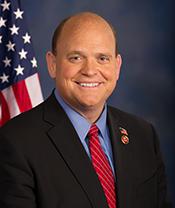
Holding, George
Sponsor

Holding, George

Republican · NC-2 · H001065

Joined Mar 4, 2015
Website
N/A
Phone
N/A
Office
N/A
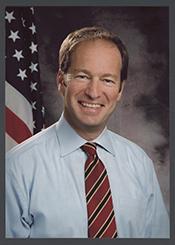
Roskam, Peter J.
Cosponsor

Roskam, Peter J.

Republican · IL-6 · R000580

Joined Mar 4, 2015
Website
N/A
Phone
N/A
Office
N/A

Amendments

8 amendments
114/samdt/1223 May 14, 2015

In the nature of a substitute.

Amendment SA 1223 agreed to in Senate by Unanimous Consent.

114/samdt/1240 May 14, 2015

To change the title.

Amendment SA 1240 agreed to in Senate by Unanimous Consent.

114/samdt/2065 Jun 24, 2015

In the nature of a substitute.

Amendment SA 2065 agreed to in Senate by Voice Vote.

114/samdt/2066 Jun 24, 2015

Of a perfecting nature.

Proposed amendment SA 2066 withdrawn in Senate. (consideration: CR S4584)

114/samdt/2067 Jun 24, 2015

Of a perfecting nature.

Proposed amendment SA 2067 withdrawn in Senate. (consideration: CR S4584)

114/samdt/2068 Jun 24, 2015

Of a perfecting nature.

Proposed amendment SA 2068 withdrawn in Senate. (consideration: CR S4584)

114/samdt/2069 Jun 24, 2015

Of a perfecting nature.

Proposed amendment SA 2069 withdrawn in Senate. (consideration: CR S4584)

Compiled bill record. Bill pages combine Congress.gov source payloads, normalized relationships, cached text analysis, vote links, and deterministic sector/signal extraction. This is not an official government record or legal advice; use the official source link when accuracy matters.