Back to search

Bill Text Stats

44
Analyzed sections
N/A
Detected dollar total
0
Tax signals
11
Deadlines

Signal counts

Tax density 0.0%
Spending density 2.3%
Privacy 78
Statutory Reference 35
Deadline 11
Agency 10
Studies 8
Benefits 3
Amendments 2
Grants 1
Spending 1

Top agencies

Secretary of Homeland Security 5
Secretary of Commerce 3
Secretary of Homeland 1
Secretary of Homeland Security determine appropriate 1

Statutory references

15 U.S.C. 5511 4
15 USC prec 4
15 U.S.C. 272 2
15 U.S.C. 278g-3 2
15 U.S.C. 7403 2
15 USC 7421 2
15 U.S.C. 3719 1
15 U.S.C. 5511 1

House Votes

No House roll call votes have been linked to this bill yet.

Timeline

Dec 18, 2014

Signed by President.

Dec 18, 2014

Signed by President.

Dec 18, 2014

Became Public Law No: 113-274.

Dec 18, 2014

Became Public Law No: 113-274.

Dec 15, 2014

Presented to President.

Dec 15, 2014

Presented to President.

Dec 11, 2014

Measure laid before Senate by unanimous consent. (consideration: CR H6665-6669; text of measure as reported in Senate: CR S6665-6668)

Dec 11, 2014

The committee substitute agreed to by Unanimous Consent.

Dec 11, 2014

Passed/agreed to in Senate: Passed Senate with an amendment by Unanimous Consent.

Dec 11, 2014

Passed Senate with an amendment by Unanimous Consent.

Dec 11, 2014

Received in the House.

Dec 11, 2014

Held at the desk.

Dec 11, 2014

Message on Senate action sent to the House.

Dec 11, 2014

Considered by unanimous consent. (consideration: CR H9294-9299)

Dec 11, 2014

Mr. McCaul asked unanimous consent to take from the Speaker's table and consider.

Dec 11, 2014

Passed/agreed to in House: On passage Passed without objection.(text: CR H9294-9299)

Dec 11, 2014

On passage Passed without objection. (text: CR H9294-9299)

Dec 11, 2014

Motion to reconsider laid on the table Agreed to without objection.

Nov 12, 2014

By Senator Rockefeller from Committee on Commerce, Science, and Transportation filed written report. Report No. 113-270.

Nov 12, 2014

By Senator Rockefeller from Committee on Commerce, Science, and Transportation filed written report. Report No. 113-270.

Jul 24, 2014

Committee on Commerce, Science, and Transportation. Reported by Senator Rockefeller with an amendment in the nature of a substitute. Without written report.

Jul 24, 2014

Committee on Commerce, Science, and Transportation. Reported by Senator Rockefeller with an amendment in the nature of a substitute. Without written report.

Jul 24, 2014

Placed on Senate Legislative Calendar under General Orders. Calendar No. 490.

Jul 30, 2013

Committee on Commerce, Science, and Transportation. Ordered to be reported with an amendment in the nature of a substitute favorably.

Jul 25, 2013

Committee on Commerce, Science, and Transportation. Hearings held.

Jul 24, 2013

Introduced in Senate

Jul 24, 2013

Sponsor introductory remarks on measure. (CR S5909)

Jul 24, 2013

Read twice and referred to the Committee on Commerce, Science, and Transportation. (text of measure as introduced: CR S5909-5912)

Affected Sectors

How to read this

Sectors are deterministic matches from official Congress.gov data and cached bill text. They are source-derived signals, not conclusions about intent or economic effect.

Evidence matches count official fields, normalized subjects, cached text snippets, or extracted entities that matched the sector rules.

Impact is a bill-level rollup used for sorting and filtering. It is not an economic impact estimate.

Confidence is the strongest individual match score behind that sector.

Evidence snippets show why a sector matched and can repeat when Congress.gov repeats the same phrase across official fields.

Technology and data privacy
1,925 evidence matches
Impact 100% Confidence 88%

Right of privacy

Secretary of Homeland Security consider necessary to fulfill the cybersecurity secretary of homeland security consider necessary to fulfill the cybersecurity

Secretary of Homeland Security consider necessary to fulfill the cybersecurity mission secretary of homeland security consider necessary to fulfill the cybersecurity mission

Education
399 evidence matches
Impact 100% Confidence 88%

Higher education

Higher education

Elementary and secondary education

Defense
244 evidence matches
Impact 100% Confidence 77%

Secretary of Commerce and the Secretary of Homeland Security secretary of commerce and the secretary of homeland security

Secretary of Commerce and the Secretary of Homeland Security secretary of commerce and the secretary of homeland security

Secretary of Commerce and the Secretary of Homeland Security secretary of commerce and the secretary of homeland security

Tribal governments
76 evidence matches
Impact 100% Confidence 82%

benefits ncreasing the understanding of State, local, and tribal governments, institutions of higher education, and private sector entities of-- (A) the benefits of ensuring effective risk management of information technology versus the cos

benefits ncreasing the understanding of State, local, and tribal governments, institutions of higher education, and private sector entities of-- (A) the benefits of ensuring effective risk management of information technology versus the cos

benefits s; (4) increasing the understanding of State, local, and tribal governments, institutions of higher education, and private sector entities of-- (A) the benefits of ensuring effective risk management of information technology versus

Transportation
67 evidence matches
Impact 100% Confidence 85%

Commerce, Science, and Transportation Committee Standing Senate

not later than, and Transportation of the Senate and the Committee on Science, Space, and Technology of the House of Representatives-- (A) the strategic plan not later than 1 year after the date of enactment of this Act; (B) each quadrenni

Science and Technology Policy shall submit the plan, not later than 1 year after the date of enactment of this Act, and each updated plan under this section to the Committee on Commerce, Science, and Transportation of the Senate and the Co

Telecom and broadband
6 evidence matches
Impact 100% Confidence 86%

Science, Technology, Communications

Science, Technology, Communications

Internet and video services

Healthcare
10 evidence matches
Impact 97% Confidence 78%

" style="-uslm-lc:emspace2" value="3" (3) to improve privacy protection in identity management systems, including health information technology systems, through authentication and security protocols; and

strengthen authentication methods of identity management systems; (3) to improve privacy protection in identity management systems, including health information technology systems, through authentication and security protocols; and (4) to i

/enum to improve privacy protection in identity management systems, including health information technology systems, through authentication and security protocols; and paragraph c

State and local government
3 evidence matches
Impact 91% Confidence 80%

cybersecurity e in Federal, State, and local government agencies, and the private sector; or (B) to stimulate innovation in basic and applied cybersecurity research, technology development, and prototype demonstration that has the potential

cybersecurity, and local government agencies, and the private sector; or (B) to stimulate innovation in basic and applied cybersecurity research, technology development, and prototype demonstration that has the potentia

cybersecurity e in Federal, State, and local government agencies, and the private sector; or (B) to stimulate innovation in basic and applied cybersecurity research, technology development, and prototype demonstration that has the potential

Finance and banking
7 evidence matches
Impact 91% Confidence 74%

20 U.S.C. 1087a "1" (1) be treated as a Federal Direct Unsubsidized Stafford Loan under part D of title IV of the Higher Education Act of 1965 ( 20 U.S.C. 1087a et seq. ); and /content

20 U.S.C. 1087a ibed subsection (i) shall-- (1) be treated as a Federal Direct Unsubsidized Stafford Loan under part D of title IV of the Higher Education Act of 1965 (20 U.S.C. 1087a et seq.); and (2) be subject to repayment, together with

20 U.S.C. 1087a ibed subsection (i) shall-- (1) be treated as a Federal Direct Unsubsidized Stafford Loan under part D of title IV of the Higher Education Act of 1965 (20 U.S.C. 1087a et seq.); and (2) be subject to repayment, together with

CBO Cost Estimates

Official Congressional Budget Office cost estimate links associated with this bill through Congress.gov records.

How to read this

CBO estimates are official source documents with their own assumptions, scope, and publication dates. They can score a bill, a version of a bill, or a broader legislative package.

LawLinter stores the source link from Congress.gov and does not replace the CBO document. Use these cards as pointers for source review, not as independent fiscal advice.

CBO context shows source-attributed Congressional Budget Office cost estimates linked from official Congress.gov bill records. It is research context only; read the official CBO source document for assumptions, scope, and dates.

Implementation and spending context

Official USAspending.gov award records for agencies connected through bill-text agency signals. This can help review implementation-adjacent public spending context, but it is not proof that the law caused a specific award.

How to read this

USAspending records describe federal awards, grants, contracts, loans, direct payments, recipients, agencies, and dates reported through the official public spending system.

LawLinter links this context through agency names detected in bill text. That bridge is a research shortcut and should not be read as a legal or budget conclusion.

USAspending context shows official public award records for agencies connected through LawLinter bill-text agency signals. It is historical spending and award context only, not proof that this bill caused, authorized, required, or changed any award, grant, contract, payment, or program spending.

Agency sample by amount

Where the local sample is concentrated

$20.9B
Department of Homeland Security $15.9B
259 sampled awards
Department of Commerce $5.0B
65 sampled awards

Amounts reflect the local USAspending sample linked through agency text signals, not bill-caused spending.

Largest sampled awards

Award records in this context

DEPARTMENT OF LABOR NEW YORK $4.1B
other_financial_assistance · Department of Homeland Security
DEPARTMENT OF LABOR & INDUSTRY PA $1.9B
other_financial_assistance · Department of Homeland Security
MICHIGAN DEPARTMENT OF LABOR AND ECONOMIC OPPORTUNITY $1.8B
other_financial_assistance · Department of Homeland Security
MICHIGAN DEPARTMENT OF LABOR AND ECONOMIC OPPORTUNITY $1.6B
grants · Department of Commerce
FLORIDA DEPARTMENT OF COMMERCE $1.2B
other_financial_assistance · Department of Homeland Security
FLORIDA DEPARTMENT OF COMMERCE $1.2B
grants · Department of Commerce

These bars summarize the visible sampled awards below so large awards are easier to scan.

Agency spending context

Department of Homeland Security

Matched bill text signal: Secretary of Homeland Security
Sampled awards259
Award amount in local sample$15,871,587,005
Open official USAspending agency page
Agency spending context

Department of Commerce

Matched bill text signal: Secretary of Commerce
Sampled awards65
Award amount in local sample$5,009,033,126
Open official USAspending agency page
grants · 2620B109
Award amount
$1,559,362,480

PURPOSE: THE PURPOSE OF THIS GRANT IS TO SUPPORT CLOSING THE BROADBAND AVAILABILITY GAP AND SUPPORT THE DEVELOPMENT OF A FIVE-YEAR ACTION PLAN.THE PROPOSED PROJECT INCLUDES THE FOLLOWING PLANNING AND PRE-DEPLOYMENT ACTIVITIES: RESEARCH AND DATA COLLECTION, INCLUDING INITIAL IDENTIFICATION OF UNSERVED LOCATIONS AND UNDERSERVED LOCATIONS CONSISTENT WITH RULES, REGULATIONS, AND PROCESSES COMMISSION HAS ESTABLISHED FOR MAKING DETERMINATIONS IN BROADBAND DATA MAPS; THE DEVELOPMENT OF A PRELIMINARY BUDGET FOR PRE-PLANNING ACTIVITIES; TRAINING FOR EMPLOYEES OF BROADBAND PROGRAM OR OFFICE OF ELIGIBLE ENTITY OR EMPLOYEES OR POLITICAL SUBDIVISIONS OF ELIGIBLE ENTITY, AND RELATED STAFFING CAPACITY OR CONSULTING OR CONTRACTED SUPPORT TO EFFECTUATE GOALS OF BEAD PROGRAM; ESTABLISHING, OPERATING, OR INCREASING CAPACITY OF A BROADBAND OFFICE THAT OVERSEES BROADBAND PROGRAMS AND BROADBAND DEPLOYMENT IN AN ELIGIBLE ENTITY; ASSET MAPPING ACROSS THE ELIGIBLE ENTITY TO CATALOGUE BROADBAND ADOPTION, AFFORDABILITY, EQUITY, ACCESS AND DEPLOYMENT ACTIVITIES OCCURRING WITHIN THE ELIGIBLE ENTITY; CONDUCTING SURVEYS OF UNSERVED, UNDERSERVED, AND UNDERREPRESENTED COMMUNITIES TO BETTER UNDERSTAND BARRIERS TO ADOPTION; REASONABLE POST-NOFO, PRE-AWARD EXPENSES $100,000 RELATING TO PREPARATION OF PROGRAM SUBMISSIONS OR ADDING ADDITIONAL CAPACITY IN PREPARATION FOR BEAD PROGRAM; PUBLICATIONS, OUTREACH, AND COMMUNICATIONS SUPPORT; PROVIDING TECHNICAL ASSISTANCE TO POTENTIAL SUBGRANTEES, INCLUDING THROUGH WORKSHOPS AND EVENTS; AND COSTS ASSOCIATED WITH MEETING THE LOCAL COORDINATION REQUIREMENTS IN SECTION IV.C.1.C OF THIS NOFO INCLUDING CAPACITY BUILDING AT THE LOCAL AND REGIONAL LEVELS OR CONTRACTED SUPPORT. EXPECTED OUTCOMES: THE OUTCOMES OF MICHIGAN'S PROPOSED PROJECT, "MI CONNECTED FUTURE," ARE THE CREATION OF A COMPREHENSIVE FIVE-YEAR ACTION PLAN IDENTIFYING MICHIGAN'S BROADBAND ACCESS, AFFORDABILITY, EQUITY, AND ADOPTION NEEDS, SERVING AS A BENCHMARK FOR ADOPTING STRATEGIES, GOALS, AND INITIAL MEASURES FOR CONNECTING ALL RESIDENTS OF MICHIGAN WITH RELIABLE BROADBAND SERVICE; COMPREHENSIVELY ADDRESSING CONNECTIVITY CHALLENGES AND CREATE A MORE DIGITALLY EQUITABLE STATE BY COMBINING BEAD AND SDEPG EFFORTS INTO A SINGLE, ROBUST COMPREHENSIVE BROADBAND INFRASTRUCTURE AND DIGITAL EQUITY PLAN ADDRESSING THE STATE'S CHALLENGES AND CONNECT EVERY RESIDENT, BUSINESS, INSTITUTION, AND COMMUNITY TO HIGH-SPEED BROADBAND; THEREBY, REDUCING CONFUSION AMONG STAKEHOLDERS; CREATING AN INCLUSIVE PLAN BY WEAVING TOGETHER THE UNIVERSAL ACCESS AND DIGITAL EQUITY GOALS OF BOTH PROGRAMS; AND MAKING EFFICIENT USE OF FEDERAL RESOURCES BY REDUCING THE DUPLICATIVE ACTIVITIES AND SHARING OF COSTS. IN ADDITION TO OVERARCHING GOALS, MORE SPECIFIC OUTCOMES INCLUDE ALLOWING FOR BETTER GAUGING OF ACTIVITY PROGRESS AND A MEANS FOR MEASURING ACTIVITY COMPLETION, GREATER CAPACITY AND THE CREATION OF A MORE COMPREHENSIVE FIVE-YEAR ACTION PLAN, AS WELL AS FUTURE PROJECT DELIVERABLES; CREATING AN ASSET INVENTORY TO IDENTIFY GAPS WHEN COMPARED WITH NEEDS ASSESSMENT; COMMUNITY ENGAGEMENT AND UNDERSTANDING OF COMMUNITY NEEDS. INTENDED BENEFICIARIES: THE INTENDED BENEFICIARIES ARE UNSERVED AND UNDERSERVED GROUPS IN THE STATE OF MICHIGAN WITH A FOCUS ON RURAL AND UNSERVED POPULATIONS.SUBRECIPIENT ACTIVITIES: THE RECIPIENT DOES NOT INTEND TO INTEND TO SUBAWARD FUNDS.

grants · 1220B417

FLORIDA DEPARTMENT OF COMMERCE

Department of Commerce
Award amount
$1,169,947,393

PURPOSE: THE PURPOSE OF THIS GRANT IS TO SUPPORT CLOSING THE BROADBAND AVAILABILITY GAP AND SUPPORT THE DEVELOPMENT OF A FIVE-YEAR ACTION PLAN.THE PROPOSED PROJECT INCLUDES THE FOLLOWING PLANNING AND PRE-DEPLOYMENT ACTIVITIES: RESEARCH AND DATA COLLECTION, INCLUDING INITIAL IDENTIFICATION OF UNSERVED LOCATIONS AND UNDERSERVED LOCATIONS CONSISTENT WITH RULES, REGULATIONS, AND PROCESSES COMMISSION HAS ESTABLISHED FOR MAKING DETERMINATIONS IN BROADBAND DATA MAPS; PROVIDING TECHNICAL ASSISTANCE TO POTENTIAL SUBGRANTEES, INCLUDING THROUGH WORKSHOPS AND EVENTS; ESTABLISHING, OPERATING, OR INCREASING CAPACITY OF A BROADBAND OFFICE THAT OVERSEES BROADBAND PROGRAMS AND BROADBAND DEPLOYMENT IN AN ELIGIBLE ENTITY; ASSET MAPPING ACROSS THE ELIGIBLE ENTITY TO CATALOGUE BROADBAND ADOPTION, AFFORDABILITY, EQUITY, ACCESS AND DEPLOYMENT ACTIVITIES OCCURRING WITHIN THE ELIGIBLE ENTITY; CONDUCTING SURVEYS OF UNSERVED, UNDERSERVED, AND UNDERREPRESENTED COMMUNITIES TO BETTER UNDERSTAND BARRIERS TO ADOPTION; AND COSTS ASSOCIATED WITH MEETING THE LOCAL COORDINATION REQUIREMENTS IN SECTION IV.C.1.C OF THIS NOFO INCLUDING CAPACITY BUILDING AT THE LOCAL AND REGIONAL LEVELS OR CONTRACTED SUPPORT. EXPECTED OUTCOMES: THE APPLICANT'S PROPOSED ACTIVITIES WILL INFORM THE CREATION OF A FIVE-YEAR ACTION PLAN, BY CONDUCTING RESEARCH AND DATA COLLECTION, COMPILING THE RESEARCH AND DATA COLLECTED FROM THE ESTABLISHED LOCAL TECHNOLOGY PLANNING TEAMS (LTPTS) INTO A COMPREHENSIVE LIST CREATED FROM THEIR WORKSHOPS AND SURVEYS AND IDENTIFYING PRIORITIES; PROVIDING TECHNICAL ASSISTANCE THROUGH PLANNED WORKSHOPS TO DISCUSS THE LTPTS FINDINGS AND RECOMMENDATIONS, SEEKING INPUT FROM THE PUBLIC ON THOSE RECOMMENDATIONS, AND DEDICATING TIME TO INTERACT WITH POTENTIAL PROGRAM APPLICANTS TO ENSURE A GREATER UNDERSTANDING OF THE PROCESS AND OFFER Q&A TIME; INCREASING OFFICE STAFF CAPACITY AND EQUIPMENT TO PROVIDE TECHNICAL ASSISTANCE THROUGHOUT THE APPLICATION PROCESS, OVERSEE PROJECTS, AND PROCESS OF PROJECT INVOICES; ASSISTING WITH LOCAL COORDINATION AND CONTRACTED SUPPORT THROUGH FUNDING TO THE LTPTS TO SUPPORT PUBLIC ENGAGEMENT AND PROVIDE PERSPECTIVE ON BROADBAND INTERNET GAPS, NEEDS, AND STRATEGIES; AND ENGAGING WITH QUALIFIED CONTRACTORS/CONSULTANTS IN DEVELOPING THE FIVE-YEAR ACTION PLAN, INITIAL PROPOSAL, ASSET MAPPING, AND MORE DETAILED BROADBAND INTERNET MAPPING.INTENDED BENEFICIARIES: THE INTENDED BENEFICIARIES ARE UNSERVED AND UNDERSERVED GROUPS IN THE STATE OF FLORIDA WITH A FOCUS ON RURAL AND UNSERVED POPULATIONS.SUBRECIPIENT ACTIVITIES: THE RECIPIENT DOES NOT INTEND TO INTEND TO SUBAWARD FUNDS.

grants · 0220B066
Award amount
$1,017,139,672

PURPOSE: THE PURPOSE OF THIS GRANT IS TO SUPPORT CLOSING THE BROADBAND AVAILABILITY GAP AND SUPPORT THE DEVELOPMENT OF A FIVE-YEAR ACTION PLAN.THE PROPOSED PROJECT INCLUDES THE FOLLOWING PLANNING AND PRE-DEPLOYMENT ACTIVITIES: RESEARCH AND DATA COLLECTION, INCLUDING INITIAL IDENTIFICATION OF UNSERVED LOCATIONS AND UNDERSERVED LOCATIONS CONSISTENT WITH RULES, REGULATIONS, AND PROCESSES COMMISSION HAS ESTABLISHED FOR MAKING DETERMINATIONS IN BROADBAND DATA MAPS; PROVIDING TECHNICAL ASSISTANCE TO POTENTIAL SUBGRANTEES, INCLUDING THROUGH WORKSHOPS AND EVENTS; TRAINING FOR EMPLOYEES OF BROADBAND PROGRAM OR OFFICE OF ELIGIBLE ENTITY OR EMPLOYEES OR POLITICAL SUBDIVISIONS OF ELIGIBLE ENTITY, AND RELATED STAFFING CAPACITY OR CONSULTING OR CONTRACTED SUPPORT TO EFFECTUATE GOALS OF BEAD PROGRAM; ESTABLISHING, OPERATING, OR INCREASING CAPACITY OF A BROADBAND OFFICE THAT OVERSEES BROADBAND PROGRAMS AND BROADBAND DEPLOYMENT IN AN ELIGIBLE ENTITY; ASSET MAPPING ACROSS THE ELIGIBLE ENTITY TO CATALOGUE BROADBAND ADOPTION, AFFORDABILITY, EQUITY, ACCESS AND DEPLOYMENT ACTIVITIES OCCURRING WITHIN THE ELIGIBLE ENTITY; COSTS ASSOCIATED WITH MEETING THE LOCAL COORDINATION REQUIREMENTS IN SECTION IV.C.1.C OF THIS NOFO INCLUDING CAPACITY BUILDING AT THE LOCAL AND REGIONAL LEVELS OR CONTRACTED SUPPORT; AND REASONABLE POST-NOFO, PRE-AWARD EXPENSES $100,000 RELATING TO PREPARATION OF PROGRAM SUBMISSIONS OR ADDING ADDITIONAL CAPACITY IN PREPARATION FOR BEAD PROGRAM.EXPECTED OUTCOMES: THE OUTCOMES OF ALASKA'S PROPOSED PROJECT, "CONNECT NORTH!," ARE A COMPREHENSIVE FIVE-YEAR ACTION PLAN, INITIAL AND FINAL PROPOSALS, AND CLIMATE THREAT ASSESSMENT, IDENTIFYING ALASKA'S BROADBAND ACCESS, AFFORDABILITY, EQUITY, AND ADOPTION NEEDS; SERVING AS A BENCHMARK FOR ADOPTING STRATEGIES, GOALS, AND INITIAL MEASURES FOR CONNECTING ALL RESIDENTS OF ALASKA WITH RELIABLE BROADBAND SERVICE; ALLOWING NATIVE ALASKANS TO MAINTAIN A TRADITIONAL CULTURAL LIFESTYLE WHILE FULLY PARTICIPATING IN THE GLOBAL ECONOMY; AND MAKING IT POSSIBLE FOR EVERY ALASKAN TO PARTICIPATE AND BE COMPETITIVE IN THE GLOBAL COMMUNITY BY FACILITATING ACCESS TO THE FULL BENEFITS OF BROADBAND WITH IMPROVED QUALITY OF SERVICE AND LOWER COSTS. MORE SPECIFIC OUTCOMES INCLUDE RESEARCH THAT WILL HELP INFORM DECISIONS THROUGHOUT PROGRAM DELIVERY AND SUCCESSFUL ACHIEVEMENTS OF DELIVERABLES. INTENDED BENEFICIARIES: THE INTENDED BENEFICIARIES ARE UNSERVED AND UNDERSERVED GROUPS IN THE STATE OF ALASKA WITH A FOCUS ON RURAL AND UNSERVED POPULATIONS.SUBRECIPIENT ACTIVITIES: THE RECIPIENT DOES NOT INTEND TO SUBAWARD FUNDS

contracts · GST0011AJ0025

PERATON INC.

General Services Administration
Award amount
$609,128,624

IS TO PROVIDE SUPPORT FOR THE CONTINUED OPERATIONS, MAINTENANCE AND EVOLUTION OF DEPARTMENT OF HOMELAND SECURITY (DHS) CLASSIFIED NETWORKS. DHS CLASSIFIED NETWORKS ARE A FEDERAL ENTERPRISE INFRASTRUCTURE FOR CLASSIFIED INFORMATION SHARING WHICH EXTEND EXISTING US GOVERNMENT CAPABILITIES NOT ONLY TO THE DEPARTMENT OF HOMELAND SECURITY AND ITS COMPONENTS, BUT TO OTHER FEDERAL GOVERNMENT AGENCIES, AND TO FIRST RESPONDERS AT THE STATE, LOCAL, AND TRIBAL LEVELS.

grants · 2020B172
Award amount
$451,725,998

PURPOSE: THE PURPOSE OF THIS GRANT IS TO SUPPORT CLOSING THE BROADBAND AVAILABILITY GAP AND SUPPORT THE DEVELOPMENT OF A FIVE-YEAR ACTION PLAN.ACTIVITIES TO BE PERFORMED: 20-20-B172 - THE PROPOSED PROJECT INCLUDES THE FOLLOWING PLANNING AND PRE-DEPLOYMENT ACTIVITIES: TRAINING FOR EMPLOYEES OF BROADBAND PROGRAM OR OFFICE OF ELIGIBLE ENTITY OR EMPLOYEES OR POLITICAL SUBDIVISIONS OF ELIGIBLE ENTITY, AND RELATED STAFFING CAPACITY OR CONSULTING OR CONTRACTED SUPPORT TO EFFECTUATE GOALS OF BEAD PROGRAM; ESTABLISHING, OPERATING, OR INCREASING CAPACITY OF A BROADBAND OFFICE THAT OVERSEES BROADBAND PROGRAMS AND BROADBAND DEPLOYMENT IN AN ELIGIBLE ENTITY; RESEARCH AND DATA COLLECTION, INCLUDING INITIAL IDENTIFICATION OF UNSERVED LOCATIONS AND UNDERSERVED LOCATIONS CONSISTENT WITH RULES, REGULATIONS, AND PROCESSES COMMISSION HAS ESTABLISHED FOR MAKING DETERMINATIONS IN BROADBAND DATA MAPS; PUBLICATIONS, OUTREACH, AND COMMUNICATIONS SUPPORT; PROVIDING TECHNICAL ASSISTANCE TO POTENTIAL SUBGRANTEES, INCLUDING THROUGH WORKSHOPS AND EVENTS; COSTS ASSOCIATED WITH MEETING THE LOCAL COORDINATION REQUIREMENTS IN SECTION IV.C.1.C OF THIS NOFO INCLUDING CAPACITY BUILDING AT THE LOCAL AND REGIONAL LEVELS OR CONTRACTED SUPPORT EXPECTED OUTCOMES: THE OUTCOMES OF KANSAS' PROPOSED PROJECT, "KANSAS NTIA-BEAD-2022," ARE COMPREHENSIVE FIVE-YEAR ACTION PLAN, INITIAL PROPOSAL, FINAL PROPOSAL, AND STATE DIGITAL EQUITY PLAN, BUILDING KANSAS OFFICE OF BROADBAND DEVELOPMENT (KOBD) PROGRAMMING AND REPORTING CAPABILITIES, EFFECTIVELY ADVANCE THE OBJECTIVES OF THE BEAD PROGRAM, COLLABORATING ACROSS TRADITIONAL LINES TO LEVERAGE FUNDING STREAMS, REDUCING DUPLICATIVE SPEND, EMPHASIZE DIGITAL EQUITY, AND MINIMIZE STRESS ON LOCAL/REGIONAL STAKEHOLDERS, AND ALLOW FOR SUBSTANTIAL INTERACTION BETWEEN INDIVIDUALS/GROUPS TASKED WITH DEVELOPING PLANS ABOVE; AND DELIVERING MEASURABLE AND QUANTIFIABLE RESULTS.INTENDED BENEFICIARIES: THE INTENDED BENEFICIARIES ARE UNSERVED AND UNDERSERVED GROUPS IN THE STATE OF KANSAS WITH A FOCUS ON RURAL AND UNSERVED POPULATIONS.SUBRECIPIENT ACTIVITIES: THE RECIPIENT DOES NOT INTEND TO INTEND TO SUBAWARD FUNDS.

Campaign Finance Context

Related FEC/OpenFEC campaign-finance records for lawmakers and candidates tied to this bill through source-attributed legislative relationships. These are not donations to the bill itself.

How to read this

Amounts shown here are campaign-finance totals for sponsor or cosponsor-linked candidates and their committees in the displayed FEC cycle.

They are not donations to this bill, spending on this bill, or proof that money influenced or caused sponsorship, cosponsorship, votes, or legislative outcomes.

If multiple linked lawmakers have FEC records, this section can show multiple candidate cards and separate sponsor/cosponsor rollups.

Campaign-finance context uses source-attributed FEC/OpenFEC records that are related or relevant to the displayed bill, lawmaker, candidate, committee, or legislative relationship through deterministic links. It is research context only, not proof of influence, causation, endorsement, or that money caused a sponsorship, vote, or legislative outcome.

No FEC/OpenFEC campaign-finance context is currently linked for this bill.

Lobbying Context

Related LDA.gov filings where public lobbying activity descriptions reference this bill. These records are source-attributed research context, not evidence of influence or causation.

How to read this

LDA filings are public lobbying disclosure records. LawLinter links them here only when the filing activity text contains an exact-looking reference to this bill.

A filing can mention many issues, clients, agencies, or bills. A match should be treated as a pointer for review, not as a conclusion about why legislation changed or how any lawmaker acted.

Lobbying context uses source-attributed LDA.gov records that appear related to this bill through bill references in public lobbying activity descriptions. It is research context only, not proof of influence, causation, endorsement, lobbying effectiveness, or legislative intent.

No LDA.gov lobbying disclosure context is currently linked for this bill.

Summary

49 Public Law Dec 24, 2014

(This measure has not been amended since it was passed by the Senate on December 11, 2014. The summary of that version is repeated here.) Cybersecurity Enhancement Act of 2014 - Title I: Public-Private Collaboration on Cybersecurity - (Sec. 101) Amends the National Institute of Standards and Technology Act to permit the Secretary of Commerce, acting through the Director of the National Institute of Standards and Technology (NIST), to facilitate and support the development of a voluntary, consensus-based, industry-led set of standards and procedures to cost-effectively reduce cyber risks to critical infrastructure. Requires the Director, in carrying out such activities, to: (1) coordinate regularly with, and incorporate the industry expertise of, relevant private sector personnel and entities, critical infrastructure owners and operators, sector coordinating councils, Information Sharing and Analysis Centers, and other relevant industry organizations; (2) consult with the heads of agencies with national security responsibilities, sector-specific agencies, state and local governments, governments of other nations, and international organizations; (3) identify a prioritized, flexible, repeatable, performance-based, and cost-effective approach, including information security measures and controls, that may be voluntarily adopted by owners and operators of critical infrastructure to help identify, assess, and manage cyber risks; and (4) include methodologies to mitigate impacts on business confidentiality, protect individual privacy and civil liberties, incorporate voluntary consensus standards and industry best practices, align with international standards, and prevent duplication of regulatory processes. Prohibits the Director from prescribing a specific solution or requiring that products or services be designed or manufactured in a particular manner. Prohibits information provided to NIST for purposes of developing cyber risk standards from being used by federal, state, tribal, or local agencies to regulate the activity of any entity. Directs the Comptroller General (GAO) to submit biennial reports over a specified period concerning NIST's progress in facilitating the development of such standards and procedures. Requires such reports to address the extent to which such standards: (1) are voluntary and led by industry representatives, (2) have been promoted by federal agencies and adopted by sectors of critical infrastructure, and (3) have protected against cyber threats. Instructs the Comptroller General to include in such reports an assessment of the reasons behind decisions of sectors to adopt or not adopt such standards. Title II: Cybersecurity Research and Development - (Sec. 201) Directs the following agencies, working through the National Science and Technology Council and the Networking and Information Technology Research and Development Program, to develop, and update every four years, a federal cybersecurity research and development strategic plan: Department of Agriculture (USDA), Department of Commerce, Department of Defense (DOD), Department of Education, Department of Energy (DOE), Department of Health and Human Services (HHS), Department of the Interior, Environmental Protection Agency (EPA), National Aeronautics and Space Administration (NASA), National Science Foundation (NSF), and other agencies as the President or the Director of the Office of Science and Technology Policy (OSTP) considers appropriate under the High-Performance Computing Act of 1991. Requires the plan to be based on an assessment of cybersecurity risk to guide the overall direction of federal cybersecurity and information assurance research and development for information technology and networking systems. Directs the agencies to build upon existing programs to meet cybersecurity objectives, such as how to: (1) guarantee individual privacy, verify third-party software and hardware, and address insider threats; (2) determine the origin of messages transmitted over the Internet; and (3) protect information stored using cloud computing or transmitted through wireless services. Requires the plan to describe how agencies will focus on technologies to protect consumer privacy and enhance the security, reliability, resilience, and trustworthiness of the digital infrastructure. Requires the agencies to submit the plan and each update to Congress. Directs the NSF to support cybersecurity research and to review cybersecurity test beds. Permits the NSF, if it determines that additional test beds are necessary, to award grants to institutions of higher education or research and development nonprofit institutions to establish such additional test beds. Requires the OSTP to coordinate with other ongoing research initiatives. Amends the Cyber Security Research and Development Act to permit NSF research and development grants for: (1) secure fundamental protocols that are integral to inter-network communications and data exchange; (2) secure software engineering and software assurance; (3) holistic system security to address trusted and untrusted components, reduce vulnerabilities proactively, address insider threats, and support privacy; (4) monitoring, detection, mitigation, and rapid recovery methods; and (5) secure wireless networks, mobile devices, and cloud infrastructure. Directs specified agencies under the High-Performance Computing Act of 1991 to support research leading to a scientific foundation for the field of cybersecurity. (Sec. 202) Expands the criteria to be considered by the NSF when evaluating grant applications of institutions seeking to establish Centers for Computer and Network Security Research to include: (1) the applicant's affiliations with private sector entities and existing federal research programs; (2) experience managing public-private partnerships; (3) capabilities to conduct interdisciplinary cybersecurity research in a secure environment; and (4) research in areas such as systems security, wireless security, networking and protocols, formal methods and high-performance computing, nanotechnology, or industrial control systems. (Sec. 203) Revises provisions under the Cyber Security Research and Development Act concerning NIST's development and dissemination of security risk checklists associated with computer systems that are, or are likely to become, widely used within the federal government. Requires NIST to establish priorities for the development, and revision as necessary, of security automation standards, associated reference materials (including protocols), and checklists associated with such systems in order to enable standardized and interoperable technologies, architectures, and frameworks to continuously monitor information security within the federal government. Instructs NIST to ensure that federal agencies are informed of the availability of such standards, reference materials, or checklists. (Sec. 204) Requires NIST to conduct intramural security research activities under its computing standards program. Title III: Education and Workforce Development - (Sec. 301) Directs the Department of Commerce, NSF, and the Department of Homeland Security (DHS) to support competitions and challenges to recruit individuals to perform information technology security duties or to stimulate cybersecurity innovations. Authorizes the Office of Personnel Management (OPM) to support internships or other work experience in the federal government for the winners of such competitions and challenges. (Sec. 302) Directs NSF to continue the Federal Cyber Scholarship-for-Service program under which recipients agree to work in the cybersecurity mission of a federal, state, local, or tribal agency for a period equal to the length of their scholarship. Limits each scholarship to a maximum of three years. Requires NSF to evaluate and report periodically to Congress on: (1) the success of recruiting individuals for such scholarships, and (2) hiring and retaining those individuals in the public sector workforce. Title IV: Cybersecurity Awareness and Preparedness - (Sec. 401) Directs NIST to continue coordinating a national cybersecurity awareness and education program to: (1) disseminate technical standards and make best practices usable by individuals, small to medium-sized businesses, educational institutions, and state, local, and tribal governments; (2) increase public awareness and understanding of cybersecurity; (3) support education programs; and (4) evaluate workforce needs. Requires NIST to develop a strategic plan to guide federal activities in support of such program. Directs NIST to transmit such plan to Congress every five years. Title V: Advancement of Cybersecurity Technical Standards - (Sec. 502) Requires NIST to ensure the coordination of federal agencies engaged in the development of international technical standards related to information system security. Requires the development and transmittal to Congress of a plan to ensure coordination by such federal agencies. Instructs NIST to ensure consultation with appropriate private sector stakeholders. (Sec. 503) Requires NIST, in coordination with OMB and in collaboration with the Federal Chief Information Officers Council, to continue to develop and encourage implementation of a comprehensive strategy for the use and adoption of cloud computing services by the federal government. Requires consideration to be given to activities that: (1) accelerate the development, in collaboration with the private sector, of standards that address the interoperability and portability of cloud computing services; (2) advance the development of conformance testing performed by the private sector in support of cloud computing standardization; and (3) support, in consultation with the private sector, the development of appropriate security frameworks and reference materials, and the identification of best practices, for federal agencies to use in addressing security and privacy requirements. (Sec. 504) Requires NIST to continue a program to support the development of voluntary and cost-effective technical standards, metrology, testbeds, and conformance criteria with regard to identity management research and development.

81 Passed House without amendment Dec 22, 2014

(This measure has not been amended since it was passed by the Senate on December 11, 2014. The summary of that version is repeated here.) Cybersecurity Enhancement Act of 2014 - Title I: Public-Private Collaboration on Cybersecurity - (Sec. 101) Amends the National Institute of Standards and Technology Act to permit the Secretary of Commerce, acting through the Director of the National Institute of Standards and Technology (NIST), to facilitate and support the development of a voluntary, consensus-based, industry-led set of standards and procedures to cost-effectively reduce cyber risks to critical infrastructure. Requires the Director, in carrying out such activities, to: (1) coordinate regularly with, and incorporate the industry expertise of, relevant private sector personnel and entities, critical infrastructure owners and operators, sector coordinating councils, Information Sharing and Analysis Centers, and other relevant industry organizations; (2) consult with the heads of agencies with national security responsibilities, sector-specific agencies, state and local governments, governments of other nations, and international organizations; (3) identify a prioritized, flexible, repeatable, performance-based, and cost-effective approach, including information security measures and controls, that may be voluntarily adopted by owners and operators of critical infrastructure to help identify, assess, and manage cyber risks; and (4) include methodologies to mitigate impacts on business confidentiality, protect individual privacy and civil liberties, incorporate voluntary consensus standards and industry best practices, align with international standards, and prevent duplication of regulatory processes. Prohibits the Director from prescribing a specific solution or requiring that products or services be designed or manufactured in a particular manner. Prohibits information provided to NIST for purposes of developing cyber risk standards from being used by federal, state, tribal, or local agencies to regulate the activity of any entity. Directs the Comptroller General (GAO) to submit biennial reports over a specified period concerning NIST's progress in facilitating the development of such standards and procedures. Requires such reports to address the extent to which such standards: (1) are voluntary and led by industry representatives, (2) have been promoted by federal agencies and adopted by sectors of critical infrastructure, and (3) have protected against cyber threats. Instructs the Comptroller General to include in such reports an assessment of the reasons behind decisions of sectors to adopt or not adopt such standards. Title II: Cybersecurity Research and Development - (Sec. 201) Directs the following agencies, working through the National Science and Technology Council and the Networking and Information Technology Research and Development Program, to develop, and update every four years, a federal cybersecurity research and development strategic plan: Department of Agriculture (USDA), Department of Commerce, Department of Defense (DOD), Department of Education, Department of Energy (DOE), Department of Health and Human Services (HHS), Department of the Interior, Environmental Protection Agency (EPA), National Aeronautics and Space Administration (NASA), National Science Foundation (NSF), and other agencies as the President or the Director of the Office of Science and Technology Policy (OSTP) considers appropriate under the High-Performance Computing Act of 1991. Requires the plan to be based on an assessment of cybersecurity risk to guide the overall direction of federal cybersecurity and information assurance research and development for information technology and networking systems. Directs the agencies to build upon existing programs to meet cybersecurity objectives, such as how to: (1) guarantee individual privacy, verify third-party software and hardware, and address insider threats; (2) determine the origin of messages transmitted over the Internet; and (3) protect information stored using cloud computing or transmitted through wireless services. Requires the plan to describe how agencies will focus on technologies to protect consumer privacy and enhance the security, reliability, resilience, and trustworthiness of the digital infrastructure. Requires the agencies to submit the plan and each update to Congress. Directs the NSF to support cybersecurity research and to review cybersecurity test beds. Permits the NSF, if it determines that additional test beds are necessary, to award grants to institutions of higher education or research and development nonprofit institutions to establish such additional test beds. Requires the OSTP to coordinate with other ongoing research initiatives. Amends the Cyber Security Research and Development Act to permit NSF research and development grants for: (1) secure fundamental protocols that are integral to inter-network communications and data exchange; (2) secure software engineering and software assurance; (3) holistic system security to address trusted and untrusted components, reduce vulnerabilities proactively, address insider threats, and support privacy; (4) monitoring, detection, mitigation, and rapid recovery methods; and (5) secure wireless networks, mobile devices, and cloud infrastructure. Directs specified agencies under the High-Performance Computing Act of 1991 to support research leading to a scientific foundation for the field of cybersecurity. (Sec. 202) Expands the criteria to be considered by the NSF when evaluating grant applications of institutions seeking to establish Centers for Computer and Network Security Research to include: (1) the applicant's affiliations with private sector entities and existing federal research programs; (2) experience managing public-private partnerships; (3) capabilities to conduct interdisciplinary cybersecurity research in a secure environment; and (4) research in areas such as systems security, wireless security, networking and protocols, formal methods and high-performance computing, nanotechnology, or industrial control systems. (Sec. 203) Revises provisions under the Cyber Security Research and Development Act concerning NIST's development and dissemination of security risk checklists associated with computer systems that are, or are likely to become, widely used within the federal government. Requires NIST to establish priorities for the development, and revision as necessary, of security automation standards, associated reference materials (including protocols), and checklists associated with such systems in order to enable standardized and interoperable technologies, architectures, and frameworks to continuously monitor information security within the federal government. Instructs NIST to ensure that federal agencies are informed of the availability of such standards, reference materials, or checklists. (Sec. 204) Requires NIST to conduct intramural security research activities under its computing standards program. Title III: Education and Workforce Development - (Sec. 301) Directs the Department of Commerce, NSF, and the Department of Homeland Security (DHS) to support competitions and challenges to recruit individuals to perform information technology security duties or to stimulate cybersecurity innovations. Authorizes the Office of Personnel Management (OPM) to support internships or other work experience in the federal government for the winners of such competitions and challenges. (Sec. 302) Directs NSF to continue the Federal Cyber Scholarship-for-Service program under which recipients agree to work in the cybersecurity mission of a federal, state, local, or tribal agency for a period equal to the length of their scholarship. Limits each scholarship to a maximum of three years. Requires NSF to evaluate and report periodically to Congress on: (1) the success of recruiting individuals for such scholarships, and (2) hiring and retaining those individuals in the public sector workforce. Title IV: Cybersecurity Awareness and Preparedness - (Sec. 401) Directs NIST to continue coordinating a national cybersecurity awareness and education program to: (1) disseminate technical standards and make best practices usable by individuals, small to medium-sized businesses, educational institutions, and state, local, and tribal governments; (2) increase public awareness and understanding of cybersecurity; (3) support education programs; and (4) evaluate workforce needs. Requires NIST to develop a strategic plan to guide federal activities in support of such program. Directs NIST to transmit such plan to Congress every five years. Title V: Advancement of Cybersecurity Technical Standards - (Sec. 502) Requires NIST to ensure the coordination of federal agencies engaged in the development of international technical standards related to information system security. Requires the development and transmittal to Congress of a plan to ensure coordination by such federal agencies. Instructs NIST to ensure consultation with appropriate private sector stakeholders. (Sec. 503) Requires NIST, in coordination with OMB and in collaboration with the Federal Chief Information Officers Council, to continue to develop and encourage implementation of a comprehensive strategy for the use and adoption of cloud computing services by the federal government. Requires consideration to be given to activities that: (1) accelerate the development, in collaboration with the private sector, of standards that address the interoperability and portability of cloud computing services; (2) advance the development of conformance testing performed by the private sector in support of cloud computing standardization; and (3) support, in consultation with the private sector, the development of appropriate security frameworks and reference materials, and the identification of best practices, for federal agencies to use in addressing security and privacy requirements. (Sec. 504) Requires NIST to continue a program to support the development of voluntary and cost-effective technical standards, metrology, testbeds, and conformance criteria with regard to identity management research and development.

35 Passed Senate amended Dec 22, 2014

Cybersecurity Enhancement Act of 2014 - Title I: Public-Private Collaboration on Cybersecurity - (Sec. 101) Amends the National Institute of Standards and Technology Act to permit the Secretary of Commerce, acting through the Director of the National Institute of Standards and Technology (NIST), to facilitate and support the development of a voluntary, consensus-based, industry-led set of standards and procedures to cost-effectively reduce cyber risks to critical infrastructure. Requires the Director, in carrying out such activities, to: (1) coordinate regularly with, and incorporate the industry expertise of, relevant private sector personnel and entities, critical infrastructure owners and operators, sector coordinating councils, Information Sharing and Analysis Centers, and other relevant industry organizations; (2) consult with the heads of agencies with national security responsibilities, sector-specific agencies, state and local governments, governments of other nations, and international organizations; (3) identify a prioritized, flexible, repeatable, performance-based, and cost-effective approach, including information security measures and controls, that may be voluntarily adopted by owners and operators of critical infrastructure to help identify, assess, and manage cyber risks; and (4) include methodologies to mitigate impacts on business confidentiality, protect individual privacy and civil liberties, incorporate voluntary consensus standards and industry best practices, align with international standards, and prevent duplication of regulatory processes. Prohibits the Director from prescribing a specific solution or requiring that products or services be designed or manufactured in a particular manner. Prohibits information provided to NIST for purposes of developing cyber risk standards from being used by federal, state, tribal, or local agencies to regulate the activity of any entity. Directs the Comptroller General (GAO) to submit biennial reports over a specified period concerning NIST's progress in facilitating the development of such standards and procedures. Requires such reports to address the extent to which such standards: (1) are voluntary and led by industry representatives, (2) have been promoted by federal agencies and adopted by sectors of critical infrastructure, and (3) have protected against cyber threats. Instructs the Comptroller General to include in such reports an assessment of the reasons behind decisions of sectors to adopt or not adopt such standards. Title II: Cybersecurity Research and Development - (Sec. 201) Directs the following agencies, working through the National Science and Technology Council and the Networking and Information Technology Research and Development Program, to develop, and update every four years, a federal cybersecurity research and development strategic plan: Department of Agriculture (USDA), Department of Commerce, Department of Defense (DOD), Department of Education, Department of Energy (DOE), Department of Health and Human Services (HHS), Department of the Interior, Environmental Protection Agency (EPA), National Aeronautics and Space Administration (NASA), National Science Foundation (NSF), and other agencies as the President or the Director of the Office of Science and Technology Policy (OSTP) considers appropriate under the High-Performance Computing Act of 1991. Requires the plan to be based on an assessment of cybersecurity risk to guide the overall direction of federal cybersecurity and information assurance research and development for information technology and networking systems. Directs the agencies to build upon existing programs to meet cybersecurity objectives, such as how to: (1) guarantee individual privacy, verify third-party software and hardware, and address insider threats; (2) determine the origin of messages transmitted over the Internet; and (3) protect information stored using cloud computing or transmitted through wireless services. Requires the plan to describe how agencies will focus on technologies to protect consumer privacy and enhance the security, reliability, resilience, and trustworthiness of the digital infrastructure. Requires the agencies to submit the plan and each update to Congress. Directs the NSF to support cybersecurity research and to review cybersecurity test beds. Permits the NSF, if it determines that additional test beds are necessary, to award grants to institutions of higher education or research and development nonprofit institutions to establish such additional test beds. Requires the OSTP to coordinate with other ongoing research initiatives. Amends the Cyber Security Research and Development Act to permit NSF research and development grants for: (1) secure fundamental protocols that are integral to inter-network communications and data exchange; (2) secure software engineering and software assurance; (3) holistic system security to address trusted and untrusted components, reduce vulnerabilities proactively, address insider threats, and support privacy; (4) monitoring, detection, mitigation, and rapid recovery methods; and (5) secure wireless networks, mobile devices, and cloud infrastructure. Directs specified agencies under the High-Performance Computing Act of 1991 to support research leading to a scientific foundation for the field of cybersecurity. (Sec. 202) Expands the criteria to be considered by the NSF when evaluating grant applications of institutions seeking to establish Centers for Computer and Network Security Research to include: (1) the applicant's affiliations with private sector entities and existing federal research programs; (2) experience managing public-private partnerships; (3) capabilities to conduct interdisciplinary cybersecurity research in a secure environment; and (4) research in areas such as systems security, wireless security, networking and protocols, formal methods and high-performance computing, nanotechnology, or industrial control systems. (Sec. 203) Revises provisions under the Cyber Security Research and Development Act concerning NIST's development and dissemination of security risk checklists associated with computer systems that are, or are likely to become, widely used within the federal government. Requires NIST to establish priorities for the development, and revision as necessary, of security automation standards, associated reference materials (including protocols), and checklists associated with such systems in order to enable standardized and interoperable technologies, architectures, and frameworks to continuously monitor information security within the federal government. Instructs NIST to ensure that federal agencies are informed of the availability of such standards, reference materials, or checklists. (Sec. 204) Requires NIST to conduct intramural security research activities under its computing standards program. Title III: Education and Workforce Development - (Sec. 301) Directs the Department of Commerce, NSF, and the Department of Homeland Security (DHS) to support competitions and challenges to recruit individuals to perform information technology security duties or to stimulate cybersecurity innovations. Authorizes the Office of Personnel Management (OPM) to support internships or other work experience in the federal government for the winners of such competitions and challenges. (Sec. 302) Directs NSF to continue the Federal Cyber Scholarship-for-Service program under which recipients agree to work in the cybersecurity mission of a federal, state, local, or tribal agency for a period equal to the length of their scholarship. Limits each scholarship to a maximum of three years. Requires NSF to evaluate and report periodically to Congress on: (1) the success of recruiting individuals for such scholarships, and (2) hiring and retaining those individuals in the public sector workforce. Title IV: Cybersecurity Awareness and Preparedness - (Sec. 401) Directs NIST to continue coordinating a national cybersecurity awareness and education program to: (1) disseminate technical standards and make best practices usable by individuals, small to medium-sized businesses, educational institutions, and state, local, and tribal governments; (2) increase public awareness and understanding of cybersecurity; (3) support education programs; and (4) evaluate workforce needs. Requires NIST to develop a strategic plan to guide federal activities in support of such program. Directs NIST to transmit such plan to Congress every five years. Title V: Advancement of Cybersecurity Technical Standards - (Sec. 502) Requires NIST to ensure the coordination of federal agencies engaged in the development of international technical standards related to information system security. Requires the development and transmittal to Congress of a plan to ensure coordination by such federal agencies. Instructs NIST to ensure consultation with appropriate private sector stakeholders. (Sec. 503) Requires NIST, in coordination with OMB and in collaboration with the Federal Chief Information Officers Council, to continue to develop and encourage implementation of a comprehensive strategy for the use and adoption of cloud computing services by the federal government. Requires consideration to be given to activities that: (1) accelerate the development, in collaboration with the private sector, of standards that address the interoperability and portability of cloud computing services; (2) advance the development of conformance testing performed by the private sector in support of cloud computing standardization; and (3) support, in consultation with the private sector, the development of appropriate security frameworks and reference materials, and the identification of best practices, for federal agencies to use in addressing security and privacy requirements. (Sec. 504) Requires NIST to continue a program to support the development of voluntary and cost-effective technical standards, metrology, testbeds, and conformance criteria with regard to identity management research and development.

01 Reported to Senate with amendment(s) Aug 25, 2014

Cybersecurity Act of 2013 - Title I: Public-Private Collaboration on Cybersecurity - (Sec. 101) Amends the National Institute of Standards and Technology Act to permit the Secretary of Commerce, acting through the Director of the National Institute of Standards and Technology (NIST), to facilitate and support the development of a voluntary, industry-led set of standards and procedures to reduce cyber risks to critical infrastructure. Requires the Director, in carrying out such activities, to: (1) coordinate continuously with, and incorporate the industry expertise of, relevant private sector personnel and entities, critical infrastructure owners and operators, sector coordinating councils, Information Sharing and Analysis Centers, and other relevant industry organizations; (2) consult with the heads of agencies with national security responsibilities, sector-specific agencies, state and local governments, governments of other nations, and international organizations; (3) identify a prioritized, flexible, repeatable, performance-based, and cost-effective approach, including information security measures and controls, that may be voluntarily adopted by owners and operators of critical infrastructure to help identify, assess, and manage cyber risks; and (4) include methodologies to mitigate impacts on business confidentiality, protect individual privacy and civil liberties, incorporate voluntary consensus standards and industry best practices, align with international standards, and prevent duplication of regulatory processes. Prohibits the Director from prescribing a specific solution or requiring that products or services be designed or manufactured in a particular manner. Prohibits information provided to NIST for purposes of developing cyber risk standards from being used by federal, state, tribal, or local agencies to regulate the activity of any entity. Directs the Comptroller General (GAO) to submit biennial reports over a specified period concerning NIST's progress in facilitating the development of such standards and procedures. Requires such reports to address the extent to which such standards: (1) are voluntary and led by industry representatives, (2) have been adopted by sectors of critical infrastructure, and (3) have protected against cyber threats. Instructs the Comptroller General to include in such reports an assessment of the reasons behind decisions of sectors to adopt or not adopt such standards. Title II: Cybersecurity Research and Development - (Sec. 201) Directs the Office of Science and Technology Policy (OSTP) to develop, and update triennially, a federal cybersecurity research and development plan to meet cybersecurity objectives, including how to guarantee individual privacy, verify third-party software and hardware, address insider threats, determine the origin of messages transmitted over the Internet, and protect information stored using cloud computing or transmitted through wireless services. Requires the OSTP to submit each updated plan to Congress. Directs the National Science Foundation (NSF) to support cybersecurity research and to review cybersecurity test beds. Permits the NSF, if it determines that additional test beds are necessary, to award grants to institutions of higher education or research and development nonprofit institutions to establish such additional test beds. Requires the OSTP to coordinate with other ongoing research initiatives. Amends the Cyber Security Research and Development Act to permit NSF research and development grants for: (1) secure fundamental protocols that are integral to inter-network communications and data exchange; (2) secure software engineering and software assurance; (3) holistic system security to address trusted and untrusted components, reduce vulnerabilities proactively, address insider threats, and support privacy; (4) monitoring, detection, mitigation, and rapid recovery methods; and (5) secure wireless networks, mobile devices, and cloud infrastructure. Directs specified agencies under the High-Performance Computing Act of 1991 to support research leading to a scientific foundation for the field of cybersecurity. (Sec. 202) Expands the criteria to be considered by NSF when evaluating grant applications of institutions seeking to establish Centers for Computer and Network Security Research to include: (1) the applicant's affiliations with private sector entities and existing federal research programs; (2) experience managing public-private partnerships; (3) capabilities to conduct interdisciplinary cybersecurity research in a secure environment; and (4) research in areas such as systems security, wireless security, networking and protocols, formal methods and high-performance computing, nanotechnology, or industrial control systems. Title III: Education and Workforce Development - (Sec. 301) Directs the Department of Commerce, NSF, and the Department of Homeland Security (DHS) to support competitions and challenges to recruit individuals to perform information infrastructure security duties or to stimulate cybersecurity innovations. Authorizes the Office of Personnel Management (OPM) to support internships or other work experience in the federal government for the winners of such competitions and challenges. (Sec. 302) Directs NSF to continue the Federal Cyber Scholarship-for-Service program under which recipients agree to work in the cybersecurity mission of a federal, state, local, or tribal agency for a period equal to the length of their scholarship. Requires NSF to evaluate and report periodically to Congress on: (1) the success of recruiting individuals for such scholarships, and (2) hiring and retaining those individuals in the public sector workforce. (Sec. 303) Requires NSF, OPM, and DHS to enter arrangements with the National Academy of Sciences (NAS) to conduct a comprehensive study of government, academic, and private-sector education, accreditation, training, and certification programs for the development of professionals in information infrastructure and cybersecurity. Directs NAS to report to the President and Congress on study results, including findings regarding the state of, and recommendations for further research and the improvement of, information infrastructure and cybersecurity education, accreditation, training, and certification programs. Title IV: Cybersecurity Awareness and Preparedness - (Sec. 401) Directs NIST to continue coordinating a national cybersecurity awareness and preparedness campaign to increase public awareness and understanding of cybersecurity risks (including through use of the Internet, social media, entertainment, and other media), support education programs, and evaluate workforce needs. Requires NIST to develop a strategic plan to guide federal activities in support of such campaign. Directs NIST to transmit such plan to Congress every five years.

00 Introduced in Senate Aug 22, 2013

Cybersecurity Act of 2013 - Amends the National Institute of Standards and Technology Act to permit the Secretary of Commerce, acting through the Director of the National Institute of Standards and Technology (NIST), to facilitate and support the development of a voluntary, industry-led set of standards and procedures to reduce cyber risks to critical infrastructure. Requires the Director, in carrying out such activities, to: (1) coordinate continuously with, and incorporate the industry expertise of, relevant private sector personnel and entities, critical infrastructure owners and operators, sector coordinating councils, Information Sharing and Analysis Centers, and other relevant industry organizations; (2) consult with the heads of agencies with national security responsibilities, sector-specific agencies, state and local governments, governments of other nations, and international organizations; (3) identify a prioritized, flexible, repeatable, performance-based, and cost-effective approach, including information security measures and controls, that may be voluntarily adopted by owners and operators of critical infrastructure to help identify, assess, and manage cyber risks; and (4) include methodologies to mitigate impacts on business confidentiality, protect individual privacy and civil liberties, incorporate voluntary consensus standards and industry best practices, align with international standards, and prevent duplication of regulatory processes. Prohibits the Director from prescribing a specific solution or requiring that products or services be designed or manufactured in a particular manner. Prohibits information provided to NIST for purposes of developing cyber risk standards from being used by federal, state, tribal, or local agencies to regulate the activity of any entity. Directs the Office of Science and Technology Policy (OSTP) to develop, and update triennially, a federal cybersecurity research and development plan to meet cybersecurity objectives, including how to guarantee individual privacy, verify third-party software and hardware, address insider threats, determine the origin of messages transmitted over the Internet, and protect information stored using cloud computing or transmitted through wireless services. Directs the National Science Foundation (NSF) to support cybersecurity research and to review cybersecurity test beds. Permits NSF, if it determines that additional test beds are necessary, to award grants to institutions of higher education or research and development nonprofit institutions to establish such additional test beds. Requires OSTP to coordinate with other ongoing federal research initiatives. Amends the Cyber Security Research and Development Act to permit NSF research and development grants for: (1) secure fundamental protocols that are integral to inter-network communications and data exchange; (2) secure software engineering and software assurance; (3) holistic system security to address trusted and untrusted components, reduce vulnerabilities proactively, address insider threats, and support privacy; (4) monitoring, detection, mitigation, and rapid recovery methods; and (5) secure wireless networks, mobile devices, and cloud infrastructure. Directs specified agencies under the High-Performance Computing Act of 1991 to support research leading to a scientific foundation for the field of cybersecurity. Expands the criteria to be considered by NSF when evaluating grant applications of institutions seeking to establish Centers for Computer and Network Security Research to include the applicant's affiliations with private sector entities and existing federal research programs, experience managing public-private partnerships, and capabilities to conduct interdisciplinary cybersecurity research in a secure environment. Directs the Department of Commerce, NSF, and the Department of Homeland Security (DHS) to support competitions and challenges to recruit individuals to perform information infrastructure security duties or to stimulate cybersecurity innovations. Directs NSF to continue the Federal Cyber Scholarship-for-Service program under which recipients agree to work in the cybersecurity mission of a federal, state, local, or tribal agency for a period equal to the length of their scholarship. Requires NSF and DHS to enter arrangements with the National Academy of Sciences to conduct a comprehensive study of government, academic, and private-sector education, accreditation, training, and certification programs for the development of professionals in information infrastructure and cybersecurity. Directs NIST to continue coordinating a national cybersecurity awareness and preparedness campaign to increase public awareness and understanding of cybersecurity risks, support education programs, and evaluate workforce needs. Requires NIST to develop a strategic plan to guide federal activities in support of such campaign.

Sponsors

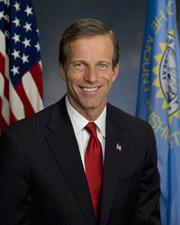
Thune, John
Cosponsor

Thune, John

Republican · SD-0 · T000250

Joined Jul 24, 2013
Website
N/A
Office
511 Dirksen Senate Office Building Washington, DC 20510

Amendments

1 amendment
113/samdt/4097 Dec 11, 2014

In the nature of a substitute.

Amendment SA 4097 agreed to in Senate by Unanimous Consent.

Compiled bill record. Bill pages combine Congress.gov source payloads, normalized relationships, cached text analysis, vote links, and deterministic sector/signal extraction. This is not an official government record or legal advice; use the official source link when accuracy matters.