Apr 5, 2012
Signed by President.
HR 3606 - 112Became Public Law No: 112-106.
Votes, text signals, source context, and latest movement from this record.
Signed by President.
Signed by President.
Became Public Law No: 112-106.
Became Public Law No: 112-106.
Message on Senate action sent to the House.
Mr. Bachus moved that the House suspend the rules and agree to the Senate amendment. (consideration: CR H1586-1593, H1597-1598)
DEBATE - The House proceeded with forty minutes of debate on the Senate amendment to H.R. 3606.
At the conclusion of debate, the Yeas and Nays were demanded and ordered. Pursuant to the provisions of clause 8, rule XX, the chair announced that further proceedings on the motion would be postponed.
Resolving differences -- House actions: On motion that the House suspend the rules and agree to the Senate amendment Agreed to by the Yeas and Nays: (2/3 required): 380 - 41 (Roll no. 132).(text as House agreed to Senate amendment: CR H1586-1588)
On motion that the House suspend the rules and agree to the Senate amendment Agreed to by the Yeas and Nays: (2/3 required): 380 - 41 (Roll no. 132). (text as House agreed to Senate amendment: CR H1586-1588)
Motion to reconsider laid on the table Agreed to without objection.
Presented to President.
Presented to President.
Considered by Senate. (consideration: CR S1963-1977)
Passed/agreed to in Senate: Passed Senate with an amendment by Yea-Nay Vote. 73 - 26. Record Vote Number: 55.
Passed Senate with an amendment by Yea-Nay Vote. 73 - 26. Record Vote Number: 55.
Considered by Senate. (consideration: CR S1884-1919)
Cloture on the bill invoked in Senate by Yea-Nay Vote. 76 - 22. Record Vote Number: 53. (consideration: CR S1884; text: CR S1884)
Motion by Senator Reid to commit to Senate Committee on Banking, Housing, and Urban Affairs with instructions that the Committee report back forthwith with amendment SA 1838 fell when cloture was invoked on the bill in Senate.
Considered by Senate. (consideration: CR S1824-1831, S1840-1842)
Considered by Senate. (consideration: CR S1776-1784)
Measure laid before Senate by unanimous consent. (consideration: CR S1693-1696, S1714, S1714-1729)
Motion by Senator Reid to commit to Senate Committee on Banking, Housing, and Urban Affairs with instructions that the Committee report back forthwith with amendment SA 1838 made in Senate. (consideration: CR S1694; text: CR S1694)
Cloture motion on the bill presented in Senate. (consideration: CR S1694; text: CR S1694)
Read the second time. Placed on Senate Legislative Calendar under General Orders. Calendar No. 334.
Read the first time. Placed on Senate Legislative Calendar under Read the First Time.
Considered as unfinished business. (consideration: CR H1277-1285)
DEBATE - Pursuant to the provisions of H. Res. 572, the Committee of the Whole proceeded with 10 minutes of debate on the McHenry amendment No. 11.
DEBATE - Pursuant to the provisions of H. Res. 572, the Committee of the Whole proceeded with 10 minutes of debate on the Miller (NC) amendment No. 12.
DEBATE - Pursuant to the provisions of H. Res. 572, the Committee of the Whole proceeded with 10 minutes of debate on the Schweikert amendment No. 13.
DEBATE - Pursuant to the provisions of H. Res. 572, the Committee of the Whole proceeded with 10 minutes of debate on the Capuano amendment No. 14.
DEBATE - Pursuant to the provisions of H. Res. 572, the Committee of the Whole proceeded with 10 minutes of debate on the Peters (MI) amendment No. 15.
POSTPONED PROCEEDINGS - At the conclusion of debate on the Peters(MI) amendment, the Chair put the question on adoption of the amendment and by voice vote announced that the noes had prevailed. Mr. Peters(MI) demanded a recorded vote and the Chair postponed further proceedings on the question of adoption of the amendment until later in the legislative day.
DEBATE - Pursuant to the provisions of H. Res. 572, the Committee of the Whole proceeded with 10 minutes of debate on the Capps amendment No. 16.
POSTPONED PROCEEDINGS - At the conclusion of debate on the Capps amendment, the Chair put the question on adoption of the amendment and by voice vote announced that the noes had prevailed. Mrs. Capps demanded a recorded vote and the Chair postponed further proceedings on the question of adoption of the amendment until later in the legislative day.
DEBATE - Pursuant to the provisions of H. Res. 572, the Committee of the Whole proceeded with 10 minutes of debate on the Loebsack amendment No. 17.
Mr. Hensarling moved that the committee rise.
On motion that the committee rise Agreed to by voice vote.
Committee of the Whole House on the state of the Union rises leaving H.R. 3606 as unfinished business.
Considered as unfinished business. (consideration: CR H1285-1289)
The House resolved into Committee of the Whole House on the state of the Union for further consideration.
UNFINISHED BUSINESS - The Chair announced that the unfinished business was the question of adoption of amendments which had been debated earlier and on which further proceedings had been postponed.
The House rose from the Committee of the Whole House on the state of the Union to report H.R. 3606.
The previous question was ordered pursuant to the rule. (consideration: CR H1287)
The House adopted the amendment in the nature of a substitute as agreed to by the Committee of the Whole House on the state of the Union. (text of amendment in the nature of a substitute: CR 3/7/2012 H1245-1249)
Ms. Eshoo moved to recommit with instructions to Financial Services. (consideration: CR H1287-1288; text: CR H1287)
DEBATE - The House proceeded with 10 minutes of debate on the Eshoo motion to recommit with instructions. The instructions contained in the motion seek to require that the bill be reported back to the House with an amendment providing for public disclosures to the Federal Election Commission of any political expenditures or contributions made during a fiscal year.
The previous question on the motion to recommit with instructions was ordered without objection. (consideration: CR H1288)
On motion to recommit with instructions Failed by recorded vote: 170 - 244 (Roll no. 109). (consideration: CR H1288)
Passed/agreed to in House: On passage Passed by recorded vote: 390 - 23 (Roll no. 110).
On passage Passed by recorded vote: 390 - 23 (Roll no. 110).
Motion to reconsider laid on the table Agreed to without objection.
The Clerk was authorized to correct section numbers, punctuation, and cross references, and to make other necessary technical and conforming corrections in the engrossment of H.R. 3606.
Received in the Senate.
Rule H. Res. 572 passed House.
Considered under the provisions of rule H. Res. 572. (consideration: CR H1236)
Rule provides for consideration of H.R. 3606 with 1 hour of general debate. Previous question shall be considered as ordered without intervening motions except motion to recommit with or without instructions. Measure will be considered read. Specified amendments are in order. The resolution provides that an amendment in the nature of a substitute consisting of text of Rules Committee Print 112-17 shall be considered as adopted. The resolution waives all points of order against the amendments printed in the report.
The Speaker designated the Honorable Robert J. Dold to act as Chairman of the Committee.
House resolved itself into the Committee of the Whole House on the state of the Union pursuant to H. Res. 572 and Rule XVIII.
GENERAL DEBATE - The Committee of the Whole proceeded with one hour of general debate on H.R. 3606.
WORDS TAKEN DOWN - During the course of debate, exception was taken to certain words used and a demand was made to have words taken down. Subsequently, the words were reported to the Committee of the Whole and the Chair announced that the Committee would rise.
RULING OF THE CHAIR - After review, the Chair ruled that the remarks constituted a personality directed towards an indentifiable Member and announced that, without objection, said remarks would be stricken from the record. Subsequently, the Chair announced that the Committee of the Whole would resume its sitting.
Considered as unfinished business.
The House resolved into Committee of the Whole House on the state of the Union for further consideration.
GENERAL DEBATE - The Committee of the Whole resumed general debate on H.R. 3606.
DEBATE - Pursuant to the provisions of H. Res. 572, the Committee of the Whole proceeded with 10 minutes of debate on the Fincher amendment No. 1.
DEBATE - Pursuant to the provisions of H. Res. 572, the Committee of the Whole proceeded with 10 minutes of debate on the McIntyre amendment No. 2.
DEBATE - Pursuant to the provisions of H. Res. 572, the Committee of the Whole proceeded with 10 minutes of debate on the Himes amendment No. 3.
POSTPONED PROCEEDINGS - At the conclusion of debate on the Himes amendment, the Chair put the question on adoption of the amendment and by voice vote announced that the noes had prevailed. Mr. Himes demanded a recorded vote and the Chair postponed further proceedings on the question of adoption of the amendment until later in the legislative day.
DEBATE - Pursuant to the provisions of H. Res. 572, the Committee of the Whole proceeded with 10 minutes of debate on the Jackson Lee amendment No. 4.
DEBATE - Pursuant to the provisions of H. Res. 572, the Committee of the Whole proceeded with 10 minutes of debate on the Ellison amendment No. 5.
POSTPONED PROCEEDINGS - At the conclusion of debate on the Ellison amendment, the Chair put the question on adoption of the amendment and by voice vote announced that the noes had prevailed. Mr. Ellison demanded a recorded vote and the Chair postponed further proceedings on the question of adoption of the amendment until later in the legislative day.
DEBATE - Pursuant to the provisions of H. Res. 572, the Committee of the Whole proceeded with 10 minutes of debate on the Waters amendment No. 6.
POSTPONED PROCEEDINGS - At the conclusion of debate on the Waters amendment, the Chair put the question on adoption of the amendment and by voice vote announced that the noes had prevailed. Mrs. Waters demanded a recorded vote and the Chair postponed further proceedings on the question of adoption of the amendment until later in the legislative day.
DEBATE - Pursuant to the provisions of H. Res. 572, the Committee of the Whole proceeded with 10 minutes of debate on the Jackson Lee amendment No. 7.
DEBATE - Pursuant to the provisions of H. Res. 572, the Committee of the Whole proceeded with 10 minutes of debate on the Jackson Lee amendment No. 8.
DEBATE - Pursuant to the provisions of H. Res. 572, the Committee of the Whole proceeded with 10 minutes of debate on the Connolly (VA) amendment No. 9.
POSTPONED PROCEEDINGS - At the conclusion of debate on the Connolly (VA) amendment, the Chair put the question on adoption of the amendment and by voice vote announced that the noes had prevailed. Mr. Connolly (VA) demanded a recorded vote and the Chair postponed further proceedings on the question of adoption of the amendment until later in the legislative day.
DEBATE - Pursuant to the provisions of H. Res. 572, the Committee of the Whole proceeded with 10 minutes of debate on the McCarthy (CA) amendment No. 10.
UNFINISHED BUSINESS - The Chair announced that the unfinished business was the question of adoption of amendments which had been debated earlier and on which further proceedings had been postponed.
Mr. Hensarling moved that the Committee rise.
On motion that the Committee rise Agreed to by voice vote.
Committee of the Whole House on the state of the Union rises leaving H.R. 3606 as unfinished business.
Committee on Banking, Housing, and Urban Affairs. Hearings held. Hearings printed: S.Hrg. 112-482.
Supplemental report filed by the Committee on Financial Services, H. Rept. 112-406, Part II.
Supplemental report filed by the Committee on Financial Services, H. Rept. 112-406, Part II.
Rules Committee Resolution H. Res. 572 Reported to House. Rule provides for consideration of H.R. 3606 with 1 hour of general debate. Previous question shall be considered as ordered without intervening motions except motion to recommit with or without instructions. Measure will be considered read. Specified amendments are in order. The resolution provides that an amendment in the nature of a substitute consisting of text of Rules Committee Print 112-17 shall be considered as adopted. The resolution waives all points of order against the amendments printed in the report.
Reported (Amended) by the Committee on Financial Services. H. Rept. 112-406.
Reported (Amended) by the Committee on Financial Services. H. Rept. 112-406.
Placed on the Union Calendar, Calendar No. 281.
Committee Consideration and Mark-up Session Held.
Ordered to be Reported (Amended) by the Yeas and Nays: 54 - 1.
Subcommittee on Capital Markets and Government Sponsored Enterprises Discharged.
Referred to the Subcommittee on Capital Markets and Government Sponsored Enterprises.
Hearings Held by the Subcommittee on Capital Markets and Government Sponsored Enterprises Prior to Referral.
Introduced in House
Introduced in House
Sponsor introductory remarks on measure. (CR E2210-2211)
Referred to the House Committee on Financial Services.
Sectors are deterministic matches from official Congress.gov data and cached bill text. They are source-derived signals, not conclusions about intent or economic effect.
Evidence matches count official fields, normalized subjects, cached text snippets, or extracted entities that matched the sector rules.
Impact is a bill-level rollup used for sorting and filtering. It is not an economic impact estimate.
Confidence is the strongest individual match score behind that sector.
Evidence snippets show why a sector matched and can repeat when Congress.gov repeats the same phrase across official fields.
Finance and Financial Sector
Finance and Financial Sector
Securities
Commission shall rth in section 4(6)(B); ``(9) take such steps to protect the privacy of information collected from investors as the Commission shall, by rule, determine appropriate; [[Page 126 STAT. 317]] ``(10)
all (9) take such steps to protect the privacy of information collected from investors as the Commission shall, by rule, determine appropriate; /paragr
Commission shall exceed the investment limits set forth in section 4(6)(B); ``(9) take such steps to protect the privacy of information collected from investors as the Commission shall, by rule, determine appropriate; ``(10) not compensate
had total annual gross revenues of less than $1,000,000,000 (as such amount is indexed for inflation every 5 years by the Commission to reflect the change in the Consumer Price Index for All Urban Consumers published by the Bureau of Labor
g which it had total annual gross revenues of $1,000,000,000 (as such amount is indexed for inflation every 5 years by the Commission to reflect the change in the Consumer Price Index for All Urban Consumers published by the Bureau of Labor
had total annual gross revenues of less than $1,000,000,000 (as such amount is indexed for inflation every 5 years by the Commission to reflect the change in the Consumer Price Index for All Urban Consumers published by the Bureau of Labor
U.S.C. 78o-6 es information reasonably sufficient upon which to base an investment decision.''. (b) Securities Analyst Communications.--Section 15D of the Securities Exchange Act of 1934 (15 U.S.C. 78o-6) is amended-- (1) by redesignating
U.S.C. 77e rities association whose functional role is other than as a securities analyst.''. (c) Expanding Permissible Communications.--Section 5 of the Securities Act of 1933 (15 U.S.C. 77e) is amended-- (1) by redesignating subsection (d
with the Commission, subject to the requirement of subsection (b)(2).''. (d) Post Offering Communications.-- Neither the Commission nor any national securities association registered under section 15A of the Sec
all es Exchange Act of 1934); ``(3) provide such disclosures, including disclosures related to risks and other investor education materials, as the Commission shall, by rule, determine appropriate; ``(4) ensure that each investor-- ``(A) re
73314e3959ce" (3) provide such disclosures, including disclosures related to risks and other investor education materials, as the Commission shall, by rule, determine appropriate; paragraph id="IDd7bd6a
all es Exchange Act of 1934); ``(3) provide such disclosures, including disclosures related to risks and other investor education materials, as the Commission shall, by rule, determine appropriate; ``(4) ensure that each investor-- ``(A) re
tation. In carrying out this section, the Commission shall consult with any securities commission (or any agency or office performing like functions) of the States, any territory of the United States, and the District of Columbia, which s
y this title. In carrying out this section, the Commission shall consult with any securities commission (or any agency or office performing like functions) of the States, any territory of the United States, and the District of Columbia, whi
is title. In carrying out this section, the Commission shall consult with any securities commission (or any agency or office performing like functions) of the States, any territory of the United States, and the District of Columbia, which s
15 USC 78d SEC. 701. OUTREACH BY THE COMMISSION. The Securities and Exchange Commission shall provide online information and conduc
Official Congressional Budget Office cost estimate links associated with this bill through Congress.gov records.
CBO estimates are official source documents with their own assumptions, scope, and publication dates. They can score a bill, a version of a bill, or a broader legislative package.
LawLinter stores the source link from Congress.gov and does not replace the CBO document. Use these cards as pointers for source review, not as independent fiscal advice.
CBO context shows source-attributed Congressional Budget Office cost estimates linked from official Congress.gov bill records. It is research context only; read the official CBO source document for assumptions, scope, and dates.
Related FEC/OpenFEC campaign-finance records for lawmakers and candidates tied to this bill through source-attributed legislative relationships. These are not donations to the bill itself.
Amounts shown here are campaign-finance totals for sponsor or cosponsor-linked candidates and their committees in the displayed FEC cycle.
They are not donations to this bill, spending on this bill, or proof that money influenced or caused sponsorship, cosponsorship, votes, or legislative outcomes.
If multiple linked lawmakers have FEC records, this section can show multiple candidate cards and separate sponsor/cosponsor rollups.
Campaign-finance context uses source-attributed FEC/OpenFEC records that are related or relevant to the displayed bill, lawmaker, candidate, committee, or legislative relationship through deterministic links. It is research context only, not proof of influence, causation, endorsement, or that money caused a sponsorship, vote, or legislative outcome.
Related LDA.gov filings where public lobbying activity descriptions reference this bill. These records are source-attributed research context, not evidence of influence or causation.
LDA filings are public lobbying disclosure records. LawLinter links them here only when the filing activity text contains an exact-looking reference to this bill.
A filing can mention many issues, clients, agencies, or bills. A match should be treated as a pointer for review, not as a conclusion about why legislation changed or how any lawmaker acted.
Lobbying context uses source-attributed LDA.gov records that appear related to this bill through bill references in public lobbying activity descriptions. It is research context only, not proof of influence, causation, endorsement, lobbying effectiveness, or legislative intent.
Regulatory and agency documents that reference a law connected to this bill, including rules, proposed rules, notices, dockets, CFR references, and agency source links when available.
Federal Register records can show how enacted laws move into agency rules, notices, comment windows, dockets, and CFR references after Congress acts.
LawLinter only treats explicit source references, such as public-law citations, as bill context at this stage. Broader topic or agency similarity should be reviewed separately.
Federal Register context shows source-attributed regulatory documents that reference a linked public or private law. It is implementation and regulatory follow-through context only; verify legal effect, dates, and official text against the Federal Register, eCFR, Regulations.gov, and GovInfo source links.
The Securities and Exchange Commission ("Commission") proposes amendments to streamline filer statuses for Securities Exchange Act of 1934 ("Exchange Act") reporting companies into two primary categories: large accelerated filers and non-accelerated filers. The Commission further proposes to raise the threshold and seasoning requirements for large accelerated filer status and extend certain existing accommodations and scaled disclosures, including those for smaller reporting companies and emerging growth companies, to all non-accelerated filers, while continuing to require compliance with non-scaled disclosure from large accelerated filers. The Commission also proposes to extend the deadlines to file periodic reports for the smallest non-accelerated filers, as measured by total assets. Finally, the Commission also proposes to update the rules that define which issuers are considered small entities for purposes of the Regulatory Flexibility Act ("RFA").



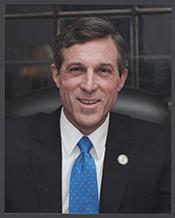
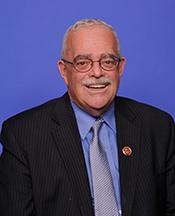

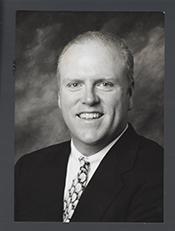
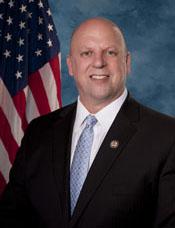




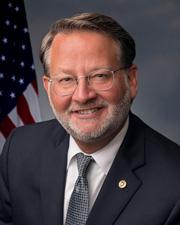
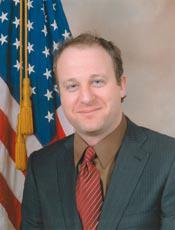
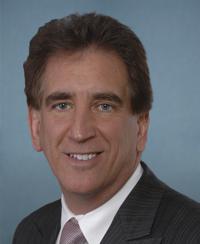
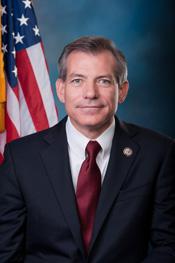






An amendment numbered 1 printed in House Report 112-409 to make technical changes to the underlying bill.
Manager's amendment makes technical and clarifying changes to the bill.
On agreeing to the Fincher amendment (A001) Agreed to by voice vote.
An amendment numbered 2 printed in House Report 112-409 to adjust the Emerging Growth Company definition for inflation, resulting in providing more flexibility for businesses.
Amendment adjusts the emerging growth company definition for inflation in order to provide more flexibility for businesses.
On agreeing to the McIntyre amendment (A002) Agreed to by voice vote.
An amendment numbered 3 printed in House Report 112-409 to lower the gross annual revenue cap from $1,000,000,000 to $750,000,000 for emerging growth companies to remain eligible for the regulatory on-ramp and to strike the public float requirement for the on-ramp.
Amendment sought to lower the gross annual revenue cap from $1,000,000,000 to $750,000,000 for emerging growth companies to remain eligible for the regulatory on-ramp and to strike the public float requirement for the on-ramp.
On agreeing to the Himes amendment (A003) Failed by recorded vote: 164 - 245 (Roll no. 103).
An amendment numbered 4 printed in House Report 112-409 to add a requirement that a company not be considered an "emerging growth company" if it has issued more than $1 billion in non-convertible debt over the prior three years.
Amendment adds a requirement that a company not be considered an emerging growth company if it has issued more than $1 billion in nonconvertible debt over the prior 3 years.
On agreeing to the Jackson Lee (TX) amendment (A004) Agreed to by voice vote.
An amendment numbered 5 printed in House Report 112-409 to require Emerging Growth Companies to fully comply with say-on-pay and golden parachute shareholder votes.
Amendment sought to require emerging growth companies to fully comply with say-on-pay and golden parachute shareholder votes.
On agreeing to the Ellison amendment (A005) Failed by recorded vote: 169 - 244 (Roll no. 104).
An amendment numbered 6 printed in House Report 112-409 to provide that if a broker or dealer is underwriting an initial public offering (IPO) for an emerging growth company (EGC) and providing research to the public about such IPO, those research reports need to be filed with the SEC, and the broker or dealer shall be held to stricter liability for their comments. Would also provide that if EGCs are communicating, either orally or in writing, with potential investors before or following an offering, they need to file those communications with the SEC.
Amendment sought to provide that if a broker or dealer is underwriting an initial public offering (IPO) for an emerging growth company (EGC) and providing research to the public about such IPO, those research reports need to be filed with the SEC, and the broker or dealer shall be held to stricter liability for their comments, and would also provide that if EGCs are communicating, either orally or in writing, with potential investors before or following an offering, they need to file those communications with the SEC.
On agreeing to the Waters amendment (A006) Failed by recorded vote: 161 - 259 (Roll no. 105).
An amendment numbered 7 printed in House Report 112-409 to strike language that allows an emerging growth company or its underwriter to communicate with "institutions that are accredited investors.".
Amendment sought to narrow the permissible exemption to allow oral or written communications with potential investors who are qualified institutional investors but would omit accredited investors from the exemption in the name of investor protection.
On agreeing to the Jackson Lee (TX) amendment (A007) Failed by voice vote.
An amendment numbered 8 printed in House Report 112-409 to establish new filing fee for Reg S-K Forms to discourage frivolous filings.
Page 15, line 16, strike the quotation mark and final period and after such line insert the following: (3) ADDITIONAL FILING FEE- ***.
By unanimous consent, the Jackson Lee (TX) amendment was withdrawn.
An amendment numbered 9 printed in House Report 112-409 to require the Securities and Exchange Commission to perform a study, in consultation with the Commodities Futures Trading Commission, of the effects on emerging growth companies of financial speculation on domestic oil and gasoline prices and to forward the results of that study to Congress.
Amendment sought to require the Securities and Exchange Commission to perform a study, in consultation with the Commodities Futures Trading Commission, of the effects on emerging growth companies of financial speculation on domestic oil and gasoline prices and to forward the results of that study to Congress.
On agreeing to the Connolly (VA) amendment (A009) Failed by recorded vote: 185 - 236 (Roll no. 106).
An amendment numbered 10 printed in House Report 112-409 to clarify that general advertising under this provision should only apply to Regulation D rule 506 offerings, allow for general solicitation in the secondary sale of these securities so long as only qualified institutional buyers purchase the securities, and provide consistency in interpretation that general advertising should not cause these offerings to be considered public offerings.
Amendment clarifies that the general advertising provision should only apply to Regulation D, rule 506 of the securities offerings; protects investors by allowing for general advertising in the secondary sale of securities, so long as only qualified institutional buyers purchase the securities; and provides consistency in the interpretation for regulators that general advertising should not cause private offerings to be considered public offerings.
On agreeing to the McCarthy (CA) amendment (A010) Agreed to by voice vote.
An amendment numbered 11 printed in House Report 112-409 to, with respect to Rule 506 of Regulation D, provide an exemption from registration as a broker or dealer for trading platforms that do not charge a fee in connection with the purchase or sale of the security or permit general solicitations, general advertisements, or similar or related activities by issuers of such securities. Amendment would also enable the marketing of private shares to accredited investors through platforms.
Amendment provides an exemption from registration as a broker or dealer for trading platforms that do not charge a fee in connection with the purchase or sale of the security or permit general solicitations, general advertisements, or similar or related activities by issuers of such securities. Amendment also enables the marketing of private shares to accredited investors through platforms.
On agreeing to the McHenry amendment (A011) Agreed to by voice vote.
An amendment numbered 12 printed in House Report 112-409 to increase the total number of investors and limit the number of non-accredited investors allowed to be holders of record before registration is required.
Amendment increases the exception from SEC registration to 2,000 investors, provided that no more than 500 are not accredited investors.
On agreeing to the Miller (NC) amendment (A012) Agreed to by voice vote.
An amendment numbered 13 printed in House Report 112-409 to authorize the Securities and Exchange Commission to study whether or not it has the authority to enforce anti-evasion provisions associated with the shareholder threshold.
Amendment authorizes the SEC to study whether or not it has the authority to enforce anti-evasion provisions associated with the shareholder threshold and to report the results to Congress.
On agreeing to the Schweikert amendment (A013) Agreed to by voice vote.
An amendment numbered 14 printed in House Report 112-409 to require the SEC to conduct a study to address anti-evasion concerns and determine if the term "held of record" should mean beneficial owner of the security.
Amendment sought to require the SEC to conduct a study to address anti-evasion concerns and determine if the term "held of record" should mean beneficial owner of the security.
On agreeing to the Capuano amendment (A014) Failed by voice vote.
An amendment numbered 15 printed in House Report 112-409 to require publicly traded companies to disclose on an annual basis the total number of employees they have in each country and the percentage increase or decrease in employment in each country.
Amendment sought to require publicly traded companies to disclose on an annual basis the total number of employees they have in each country and the percentage increase or decrease in employment in each country.
On agreeing to the Peters amendment (A015) Failed by recorded vote: 175 - 239 (Roll no. 107).
An amendment numbered 16 printed in House Report 112-409 to require the Securities and Exchange Commission to issue a report to the Congress one year after enactment on the increase in initial public offerings that resulted from the act, including specific increases in filings by manufacturing and high-technology companies.
Amendment sought to require the SEC to issue a report to Congress one year after enactment on the increase in initial public offerings that resulted from the Act, including specific increases in filings by manufacturing and high-technology companies.
On agreeing to the Capps amendment (A016) Failed by recorded vote: 172 - 236 (Roll no. 108).
An amendment numbered 17 printed in House Report 112-409 to require information to be made available online, and outreach to be conducted to small and medium-sized businesses, women-owned businesses, veteran-owned businesses, and minority-owned businesses to inform them about changes put in place by this legislation.
Amendment requires the SEC to provide information online and also conduct outreach to specified businesses to inform them about changes put in place by this legislation.
On agreeing to the Loebsack amendment (A017) Agreed to by voice vote.
Details pending from source records.
Details pending from source records.
In the nature of a substitute.
Amendment SA 1833 ruled non-germane by the chair.
To change the enactment date.
SA 1834 fell when SA 1833 ruled non-germane by the Chair.
Of a perfecting nature.
SA 1835 fell when SA 1834 fell.
To reauthorize the Export-Import Bank of the United States.
Amendment SA 1836 ruled non-germane by the chair.
To change the enactment date.
SA 1837 fell when SA 1836 ruled non-germane by the Chair.
To change the enactment date.
SA 1838 fell when cloture invoked on the bill.
Of a perfecting nature.
SA 1839 fell when SA 1838 fell.
Of a perfecting nature.
SA 1840 fell when SA 1839 fell.
Details pending from source records.
Details pending from source records.
Details pending from source records.
Details pending from source records.
Details pending from source records.
Details pending from source records.
Details pending from source records.
Details pending from source records.
Details pending from source records.
Details pending from source records.
Details pending from source records.
Details pending from source records.
Details pending from source records.
Details pending from source records.
Details pending from source records.
Details pending from source records.
Details pending from source records.
Details pending from source records.
Details pending from source records.
Details pending from source records.
Details pending from source records.
Details pending from source records.
Details pending from source records.
Details pending from source records.
Details pending from source records.
Details pending from source records.
Details pending from source records.
Details pending from source records.
Details pending from source records.
Details pending from source records.
Details pending from source records.
Details pending from source records.
Details pending from source records.
Details pending from source records.
Details pending from source records.
Details pending from source records.
Details pending from source records.
Details pending from source records.
Details pending from source records.
Details pending from source records.
Details pending from source records.
Details pending from source records.
To amend the securities laws to provide for registration exemptions for certain crowdfunded securities, and for other purposes.
Amendment SA 1884 agreed to in Senate by Yea-Nay Vote. 64 - 35. Record Vote Number: 54.
Details pending from source records.
Details pending from source records.
Details pending from source records.
Details pending from source records.
Details pending from source records.
Details pending from source records.
Details pending from source records.
Details pending from source records.
Details pending from source records.
Details pending from source records.
Details pending from source records.
Details pending from source records.
Details pending from source records.
Details pending from source records.
Details pending from source records.
Details pending from source records.
Details pending from source records.
Details pending from source records.
Details pending from source records.
Details pending from source records.
Details pending from source records.
Details pending from source records.
Details pending from source records.
Details pending from source records.
Details pending from source records.
Details pending from source records.
Details pending from source records.
Details pending from source records.
Details pending from source records.
Details pending from source records.
Details pending from source records.
Details pending from source records.
Details pending from source records.
Details pending from source records.
Details pending from source records.
Details pending from source records.
Details pending from source records.
Details pending from source records.
Details pending from source records.
Details pending from source records.
Details pending from source records.
Details pending from source records.
Details pending from source records.
Details pending from source records.
Details pending from source records.
To improve the bill.
Amendment SA 1931 not agreed to in Senate by Voice Vote.
Details pending from source records.
Details pending from source records.
Details pending from source records.
Details pending from source records.
Details pending from source records.
Details pending from source records.
Details pending from source records.
Details pending from source records.