Back to search
HR 946 - 111

Plain Writing Act of 2010

Became Public Law No: 111-274.

Bill Text Stats

Bill text analysis is not available for this record yet.

Affected Sectors

How to read this

Sectors are deterministic matches from official Congress.gov data and cached bill text. They are source-derived signals, not conclusions about intent or economic effect.

Evidence matches count official fields, normalized subjects, cached text snippets, or extracted entities that matched the sector rules.

Impact is a bill-level rollup used for sorting and filtering. It is not an economic impact estimate.

Confidence is the strongest individual match score behind that sector.

Evidence snippets show why a sector matched and can repeat when Congress.gov repeats the same phrase across official fields.

Affected-sector context is not available for this record yet.

CBO Cost Estimates

Official Congressional Budget Office cost estimate links associated with this bill through Congress.gov records.

How to read this

CBO estimates are official source documents with their own assumptions, scope, and publication dates. They can score a bill, a version of a bill, or a broader legislative package.

LawLinter stores the source link from Congress.gov and does not replace the CBO document. Use these cards as pointers for source review, not as independent fiscal advice.

CBO context shows source-attributed Congressional Budget Office cost estimates linked from official Congress.gov bill records. It is research context only; read the official CBO source document for assumptions, scope, and dates.

Campaign Finance Context

Related FEC/OpenFEC campaign-finance records for lawmakers and candidates tied to this bill through source-attributed legislative relationships. These are not donations to the bill itself.

How to read this

Amounts shown here are campaign-finance totals for sponsor or cosponsor-linked candidates and their committees in the displayed FEC cycle.

They are not donations to this bill, spending on this bill, or proof that money influenced or caused sponsorship, cosponsorship, votes, or legislative outcomes.

If multiple linked lawmakers have FEC records, this section can show multiple candidate cards and separate sponsor/cosponsor rollups.

Campaign-finance context uses source-attributed FEC/OpenFEC records that are related or relevant to the displayed bill, lawmaker, candidate, committee, or legislative relationship through deterministic links. It is research context only, not proof of influence, causation, endorsement, or that money caused a sponsorship, vote, or legislative outcome.

No FEC/OpenFEC campaign-finance context is currently linked for this bill.

Lobbying Context

Related LDA.gov filings where public lobbying activity descriptions reference this bill. These records are source-attributed research context, not evidence of influence or causation.

How to read this

LDA filings are public lobbying disclosure records. LawLinter links them here only when the filing activity text contains an exact-looking reference to this bill.

A filing can mention many issues, clients, agencies, or bills. A match should be treated as a pointer for review, not as a conclusion about why legislation changed or how any lawmaker acted.

Lobbying context uses source-attributed LDA.gov records that appear related to this bill through bill references in public lobbying activity descriptions. It is research context only, not proof of influence, causation, endorsement, lobbying effectiveness, or legislative intent.
No LDA.gov lobbying disclosure context is currently linked for this bill.

Summary

49 Public Law Dec 10, 2010

(This measure has not been amended since it was passed by the Senate on September 27, 2010. The summary of that version is repeated here.) Plain Writing Act of 2010 - Requires the head of each executive agency to: (1) designate one or more senior officials within the agency to oversee the agency's implementation of this Act; (2) communicate this Act's requirements to the agency's employees; (3) train agency employees in "plain writing" (defined as writing that is clear, concise, well-organized, and follows other best practices appropriate to the subject or field and intended audience); (4) establish a process for overseeing the agency's ongoing compliance with this Act's requirements; (5) create and maintain a plain writing section of the agency's website that shall inform the public of agency compliance with the requirements of this Act, provide a mechanism for the agency to receive and respond to public input on agency implementation and agency reports required under this Act, and be accessible from its homepage; and (6) designate one or more agency points-of-contact to receive and respond to public input on the implementation of this Act. Requires each agency, by one year after enactment, to use plain writing in every covered document of the agency that the agency issues or substantially revises. Defines "covered document" to: (1) mean any document that is necessary for obtaining any federal benefit or service or filing taxes, that provides information about any federal benefit or service, or that explains to the public how to comply with a requirement the federal government administers or enforces; (2) include (whether in paper or electronic form) a letter, publication, form, notice, or instruction; and (3) exclude a regulation. Requires the Director of the Office of Management and Budget (OMB), by six months after enactment, to develop and issue guidance on implementing the requirements of this Act. Authorizes the Director to designate a lead agency and to use interagency working groups to assist in developing and issuing the guidance. Sets forth provisions regarding: (1) an interim guidance; (2) initial and annual compliance reports; and (3) judicial review and enforceability. Requires the budgetary effects of this Act, for the purpose of complying with the Statutory Pay-As-You-Go Act of 2010, to be determined by reference to the latest statement titled "Budgetary Effects of PAYGO Legislation" for this Act, submitted for printing in the Congressional Record by the Chairman of the House Budget Committee, provided that such statement has been submitted prior to the vote on passage.

35 Passed Senate amended Dec 10, 2010

Plain Writing Act of 2010 - Requires the head of each executive agency to: (1) designate one or more senior officials within the agency to oversee the agency's implementation of this Act; (2) communicate this Act's requirements to the agency's employees; (3) train agency employees in "plain writing" (defined as writing that is clear, concise, well-organized, and follows other best practices appropriate to the subject or field and intended audience); (4) establish a process for overseeing the agency's ongoing compliance with this Act's requirements; (5) create and maintain a plain writing section of the agency's website that shall inform the public of agency compliance with the requirements of this Act, provide a mechanism for the agency to receive and respond to public input on agency implementation and agency reports required under this Act, and be accessible from its homepage; and (6) designate one or more agency points-of-contact to receive and respond to public input on the implementation of this Act. Requires each agency, by one year after enactment, to use plain writing in every covered document of the agency that the agency issues or substantially revises. Defines "covered document" to: (1) mean any document that is necessary for obtaining any federal benefit or service or filing taxes, that provides information about any federal benefit or service, or that explains to the public how to comply with a requirement the federal government administers or enforces; (2) include (whether in paper or electronic form) a letter, publication, form, notice, or instruction; and (3) exclude a regulation. Requires the Director of the Office of Management and Budget (OMB), by six months after enactment, to develop and issue guidance on implementing the requirements of this Act. Authorizes the Director to designate a lead agency and to use interagency working groups to assist in developing and issuing the guidance. Sets forth provisions regarding: (1) an interim guidance; (2) initial and annual compliance reports; and (3) judicial review and enforceability. Requires the budgetary effects of this Act, for the purpose of complying with the Statutory Pay-As-You-Go Act of 2010, to be determined by reference to the latest statement titled "Budgetary Effects of PAYGO Legislation" for this Act, submitted for printing in the Congressional Record by the Chairman of the House Budget Committee, provided that such statement has been submitted prior to the vote on passage.

36 Passed House amended Jun 3, 2010

Plain Writing Act of 2010 - Requires the head of each executive agency to: (1) designate one or more senior officials within the agency to oversee the agency's implementation of this Act; (2) communicate this Act's requirements to the agency's employees; (3) train agency employees in plain writing; (4) establish a process for overseeing the agency's ongoing compliance with this Act's requirements; (5) create and maintain a plain writing section of the agency's website that is accessible from its homepage; and (6) designate one or more agency points-of-contact to receive and respond to public input on the implementation of this Act. Requires each agency, by one year after enactment, to use plain writing in every covered document of the agency that the agency issues or substantially revises. Defines "covered document" to: (1) mean any document that is relevant to obtaining any federal benefit or service or filing taxes, that provides information about any federal benefit or service, or that explains to the public how to comply with a requirement the federal government administers or enforces; (2) include (whether in paper or electronic form) a letter, publication, form, notice, or instruction; and (3) exclude a regulation. Requires the Director of the Office of Management and Budget (OMB), by six months after enactment, to develop and issue guidance on implementing the requirements of this Act. Authorizes the Director to designate a lead agency and to use interagency working groups to assist in developing and issuing the guidance. Sets forth provisions regarding: (1) an interim guidance; (2) initial and annual compliance reports; and (3) judicial review and enforceability. Requires the budgetary effects of this Act, for the purpose of complying with the Statutory Pay-As-You-Go Act of 2010, to be determined by reference to the latest statement titled "Budgetary Effects of PAYGO Legislation" for this Act, submitted for printing in the Congressional Record by the Chairman of the House Budget Committee, provided that such statement has been submitted prior to the vote on passage.

17 Reported to House with amendment(s) Jun 3, 2010

Plain Writing Act of 2010 - Requires the head of each executive agency to: (1) designate one or more senior officials within the agency to oversee the agency's implementation of this Act; (2) communicate this Act's requirements to the agency's employees; (3) train agency employees in plain writing; (4) establish a process for overseeing the agency's ongoing compliance with this Act's requirements; (5) create and maintain a plain writing section of the agency's website that is accessible from its homepage; and (6) designate one or more agency points-of-contact to receive and respond to public input on the implementation of this Act. Requires each agency, by one year after enactment, to use plain writing in every covered document of the agency that the agency issues or substantially revises. Defines "covered document" to: (1) mean any document that is relevant to obtaining any federal benefit or service or filing taxes, that provides information about any federal benefit or service, or that explains to the public how to comply with a requirement the federal government administers or enforces; (2) include (whether in paper or electronic form) a letter, publication, form, notice, or instruction; and (3) exclude a regulation. Requires the Director of the Office of Management and Budget (OMB), by six months after enactment, to develop and issue guidance on implementing the requirements of this Act. Authorizes the Director to designate a lead agency and to use interagency working groups to assist in developing and issuing the guidance. Sets forth provisions regarding: (1) interim guidance; (2) initial and annual compliance reports; and (3) judicial review and enforceability.

00 Introduced in House Mar 13, 2009

Plain Language Act of 2009 - Requires each executive agency to use plain language in any document (other than a regulation) issued to the public, including documents and other text released in electronic form. Requires the Director of the Office of Management and Budget (OMB) to issue guidance on implementing such requirements to agencies as a circular. Authorizes agencies, pending issuance of such guidance, to follow the writing guidelines developed by the Plain Language Action and Information Network or their own guidance as long as it is consistent with such guidelines. Requires each agency head to report to specified congressional committees on how the agency intends to: (1) communicate the requirements of this Act to employees; (2) train employees to write in plain language; (3) meet the plain language requirement; (4) ensure ongoing compliance with this Act; (5) designate a senior official to be responsible for implementing this Act; and (6) use plain language in regulations promulgated by it. Requires: (1) agency heads to report on compliance to OMB; and (2) the Director of OMB to report on the progress of agencies to such committees.

Sponsors

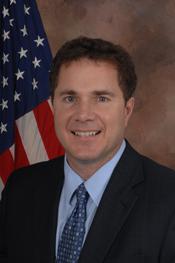
Braley, Bruce L.
Sponsor

Braley, Bruce L.

Democratic · IA-1 · B001259

Joined Feb 10, 2009
Website
N/A
Phone
N/A
Office
N/A

Timeline

Oct 13, 2010

Signed by President.

Oct 13, 2010

Signed by President.

Oct 13, 2010

Became Public Law No: 111-274.

Oct 13, 2010

Became Public Law No: 111-274.

Oct 1, 2010

Presented to President.

Oct 1, 2010

Presented to President.

Sep 29, 2010

Mr. Clay moved that the House suspend the rules and agree to the Senate amendments. (consideration: CR H7314-7316)

Sep 29, 2010

DEBATE - The House proceeded with forty minutes of debate on the motion to suspend the rules and agree to the Senate amendments to H.R. 946.

Sep 29, 2010

At the conclusion of debate, the Yeas and Nays were demanded and ordered. Pursuant to the provisions of clause 8, rule XX, the chair announced that further proceedings on the motion would be postponed.

Sep 29, 2010

Considered as unfinished business. (consideration: CR H7371-7372)

Sep 29, 2010

Resolving differences -- House actions: On motion that the House suspend the rules and agree to the Senate amendments Agreed to by the Yeas and Nays: (2/3 required): 341 - 82 (Roll no. 562).(text as House agreed to Senate amendments: CR H7314)

Sep 29, 2010

On motion that the House suspend the rules and agree to the Senate amendments Agreed to by the Yeas and Nays: (2/3 required): 341 - 82 (Roll no. 562). (text as House agreed to Senate amendments: CR H7314)

Sep 29, 2010

Motion to reconsider laid on the table Agreed to without objection.

Sep 29, 2010

Cleared for White House.

Sep 28, 2010

Message on Senate action sent to the House.

Sep 27, 2010

Measure laid before Senate by unanimous consent. (consideration: CR S7556)

Sep 27, 2010

Passed/agreed to in Senate: Passed Senate with amendments by Unanimous Consent.(text: CR S7556)

Sep 27, 2010

Passed Senate with amendments by Unanimous Consent. (text: CR S7556)

Mar 18, 2010

Received in the Senate. Read twice. Placed on Senate Legislative Calendar under General Orders. Calendar No. 321.

Mar 17, 2010

Mr. Clay moved to suspend the rules and pass the bill, as amended.

Mar 17, 2010

Considered under suspension of the rules. (consideration: CR H1538-1540)

Mar 17, 2010

DEBATE - The House proceeded with forty minutes of debate on H.R. 946.

Mar 17, 2010

At the conclusion of debate, the Yeas and Nays were demanded and ordered. Pursuant to the provisions of clause 8, rule XX, the Chair announced that further proceedings on the motion would be postponed.

Mar 17, 2010

Considered as unfinished business. (consideration: CR H1560)

Mar 17, 2010

Passed/agreed to in House: On motion to suspend the rules and pass the bill, as amended Agreed to by the Yeas and Nays: (2/3 required): 386 - 33 (Roll no. 126).(text: CR H1538)

Mar 17, 2010

On motion to suspend the rules and pass the bill, as amended Agreed to by the Yeas and Nays: (2/3 required): 386 - 33 (Roll no. 126). (text: CR H1538)

Mar 17, 2010

Motion to reconsider laid on the table Agreed to without objection.

Mar 11, 2010

Reported (Amended) by the Committee on Oversight and Government. H. Rept. 111-432.

Mar 11, 2010

Reported (Amended) by the Committee on Oversight and Government. H. Rept. 111-432.

Mar 11, 2010

Placed on the Union Calendar, Calendar No. 248.

Mar 4, 2010

Committee Consideration and Mark-up Session Held.

Mar 4, 2010

Ordered to be Reported (Amended) by Voice Vote.

Feb 10, 2009

Introduced in House

Feb 10, 2009

Introduced in House

Feb 10, 2009

Referred to the House Committee on Oversight and Government Reform.

House Votes

No House roll call votes have been linked to this bill yet.

Amendments

No amendment records are currently available for this bill.
Compiled bill record. Bill pages combine Congress.gov source payloads, normalized relationships, cached text analysis, vote links, and deterministic sector/signal extraction. This is not an official government record or legal advice; use the official source link when accuracy matters.